
Calligraphy Student Spotlight: Ramin Moheb
This is a section on my Writing Calligraphy website where I interview professional calligraphers who make a living primarily from their work, as well as calligraphy students at different stages of their learning journey, as I’m very interested in both points of view.
This Calligraphy Student Spotlight features a dear online student of mine called Ramin Moheb, I hope you'll enjoy his answers.
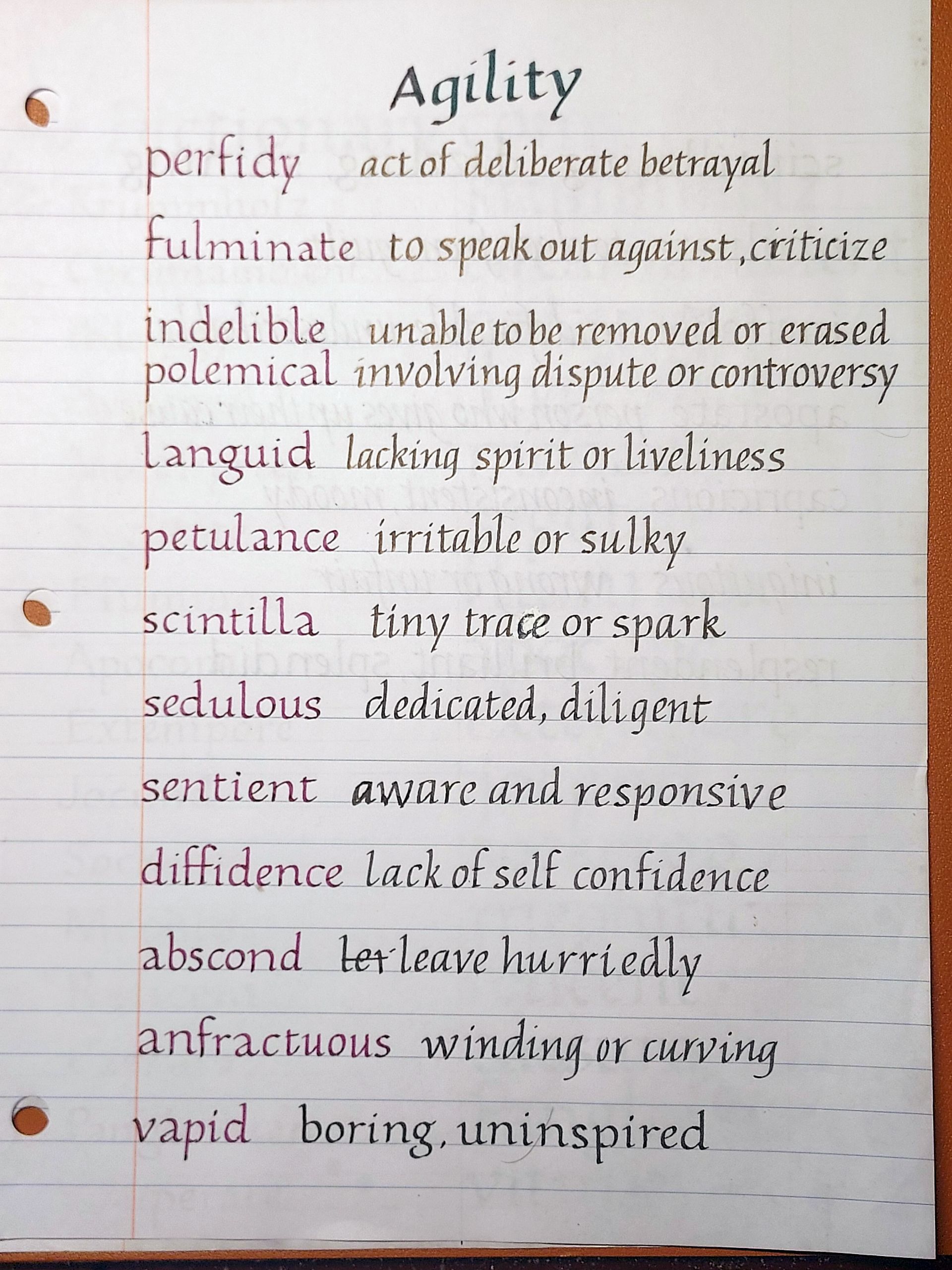
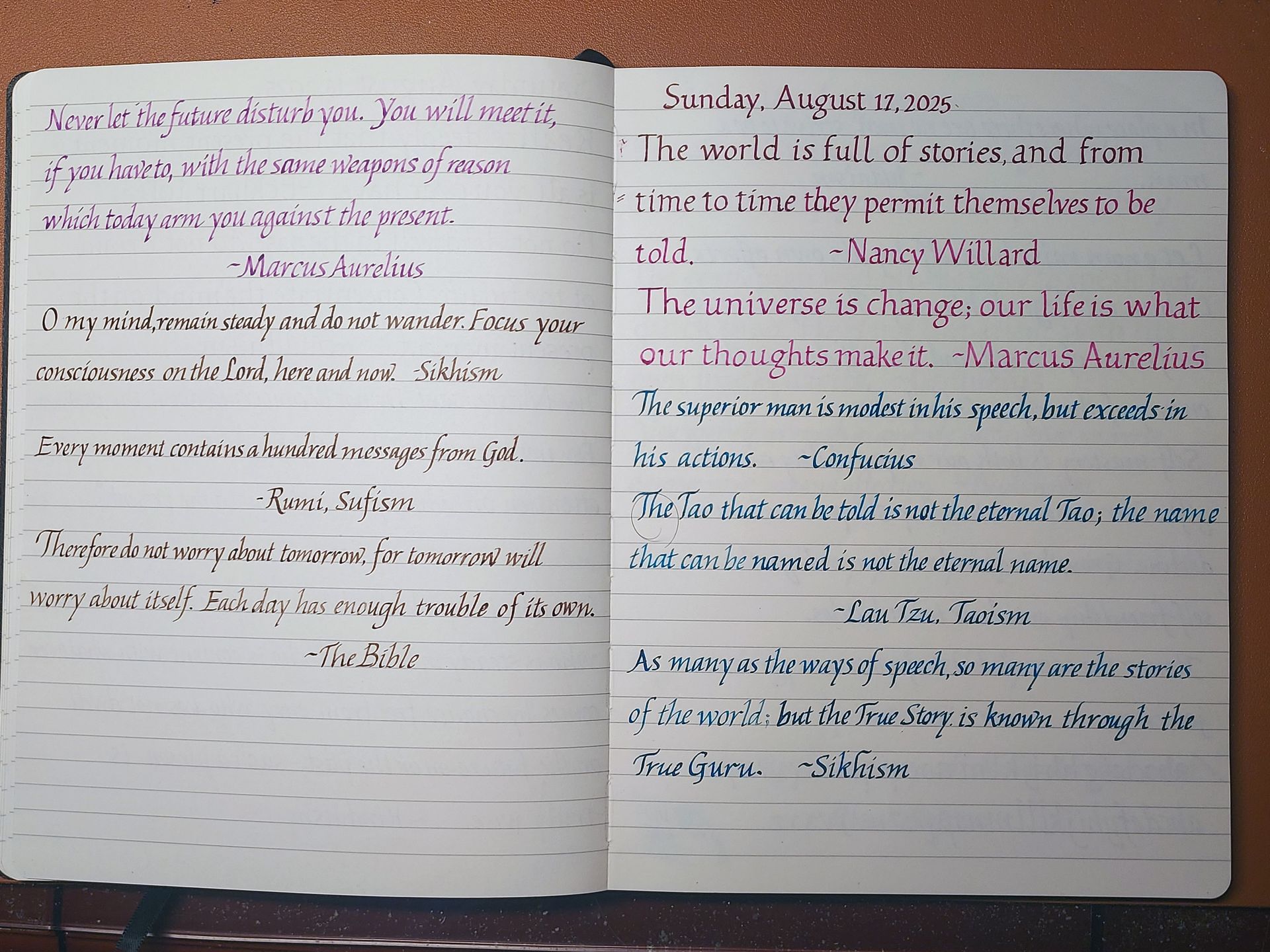
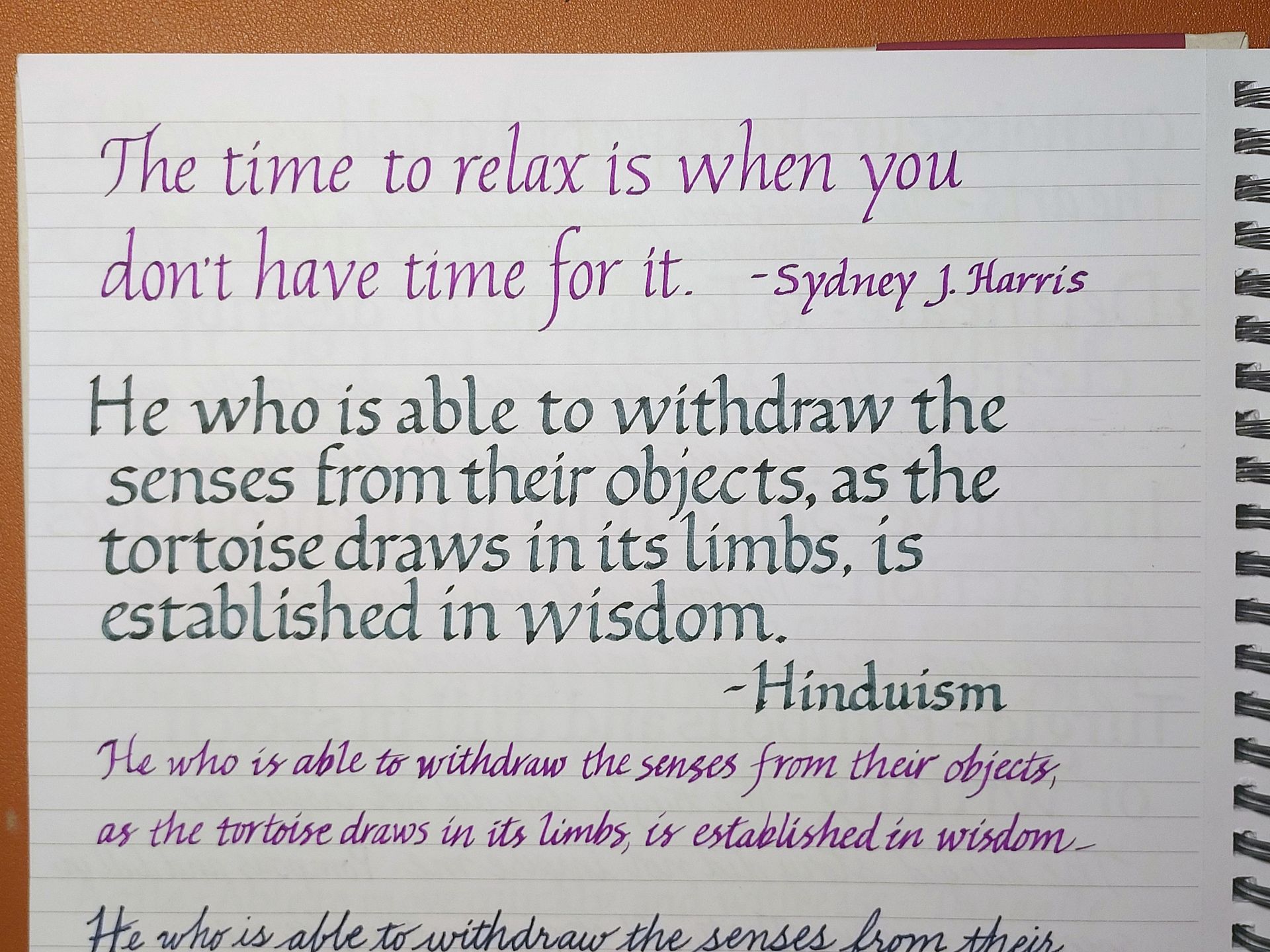
Photo credit above: Italic and Modern Carolingian calligraphy by Ramin Moheb.


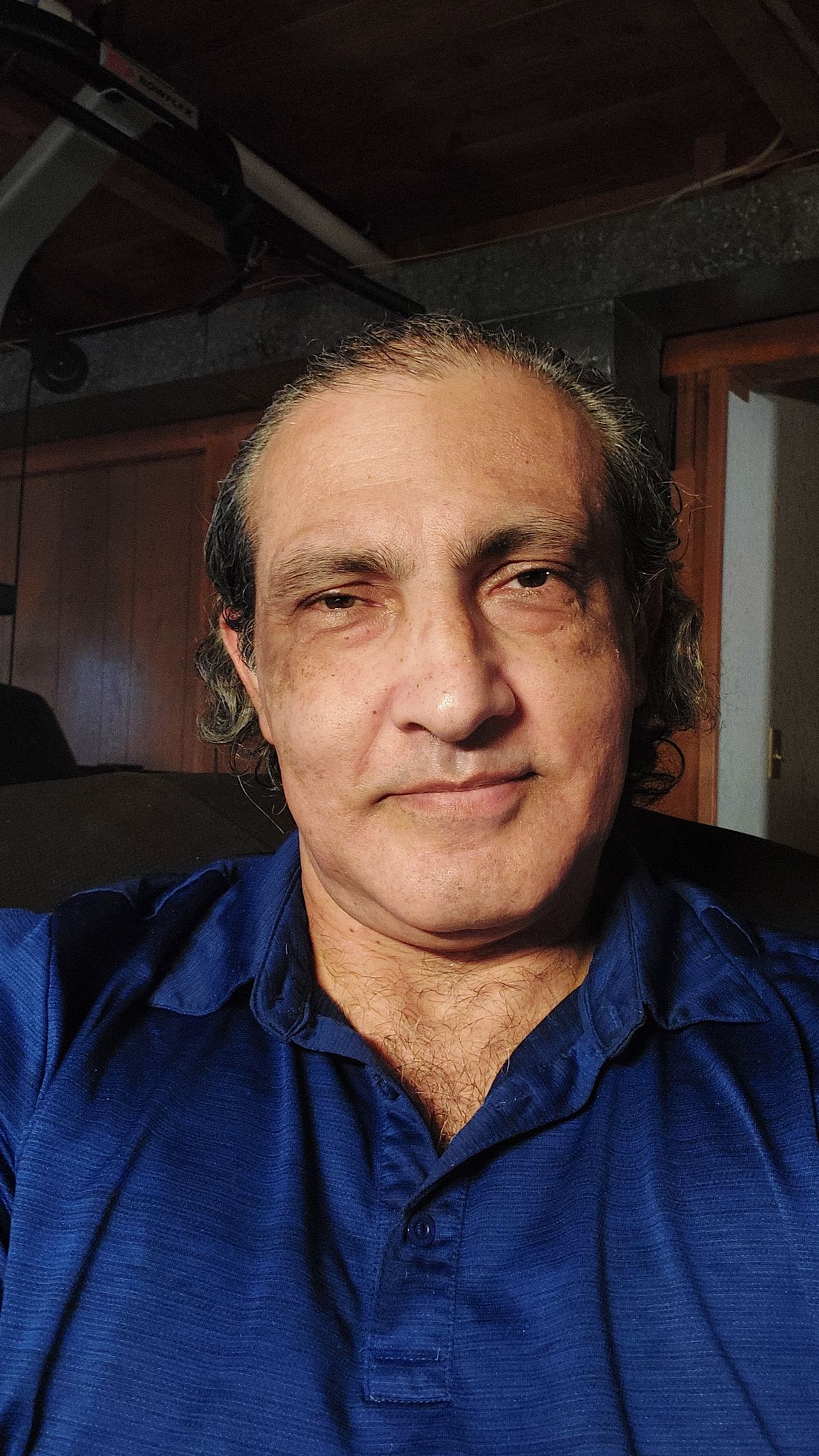
Profile photo: Ramin Moheb.
1. CALLIGRAPHY STUDENT PROFILE
What is your name, age, current occupation and location?
Ramin, age 55, Seattle, Washington, USA.
How long have you been practicing calligraphy?
1 year
How did you first discover calligraphy, and what drew you to it initially?
Had some free time, wanted to practice some kind of art, thought calligraphy was a good fit.
Do you consider yourself a beginner, intermediate or advanced calligraphy student?
Just now entering the intermediate stage. Beginner until recently.
Have you taken any in-person or online courses? If so, do you have a preference?
Only taken online classes with Maria Montes. Would LOVE in-person classes. Come to Seattle and I will enroll immediately. You can even stay at our house!
Who or what has had the greatest influence on your development as a calligraphy student?
Maria Montes, ChatGPT, and the Speedball Manual, 25th edition. Also
Lloyd Reynolds videos on YouTube from Reed College and his book.
Do you have any recommendation for students wanting to start their calligraphy journey?
Get
Sheila Waters' book, take your Italic and Foundational courses, and watch the
Lloyd Reynolds video series.
Which calligraphy scripts or styles do you feel most connected to, and why?
Definitely Italic calligraphy. It feels natural, is very versatile, looks great, and easy to read.
Is your calligraphy practice 100% analogue? Do you use Procreate or vector-based software at all?
Have only used software to make guidesheets. No vectorization of my work.
Do you see calligraphy more as a hobby, a future job, a possible career or a vocation—or a combination?
Hobby.
Have you done any client work? If so, how did you find the experience? Would you like to do it again? If not, would you like to do it at all?
I'd be interested, but need much more confidence and maybe some kind of certificate or endorsement. Probably some kind of training program first.

Profile photo credit:
Ramin Moheb's practice notebook.
2. Consolidating Fundamentals
Which foundational calligraphy skill do you feel most confident in now, and which still needs reinforcement?
Confident in the basics such as terminology, history, and tools. Most confident with Italic and its variations, getting comfortable with Foundational and Humanist Book Hand. They all need reinforcement.
What technical habit has been hardest to unlearn as you progressed?
Eliminating forward slant. Verticals are the bane of my existence.
How has your understanding of basic letter structure changed since you began?
Foundational Hand has taught me the ontology of each letterform. I can see the core, essential elements of each letter and their relationships to each other among various scripts now. I see the progression from Roman letters through Carolingian, the Renaissance scripts, and to modern-day letters.
What recently “clicked” for you in your practice?
Good calligraphy practice doesn’t need to look beautiful. It needs correct forms true to the logic of the script. Beauty follows.

Profile photo credit:
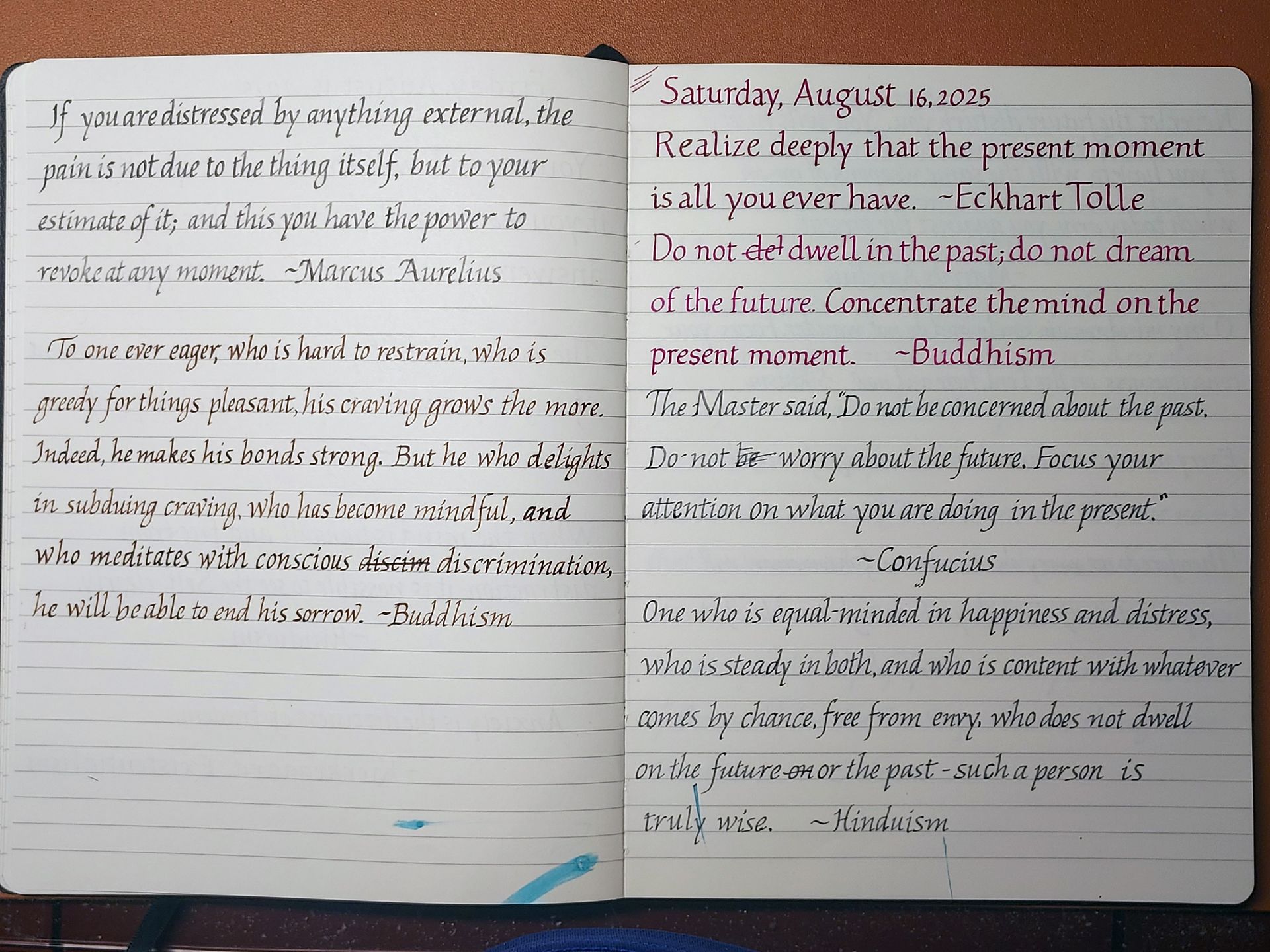
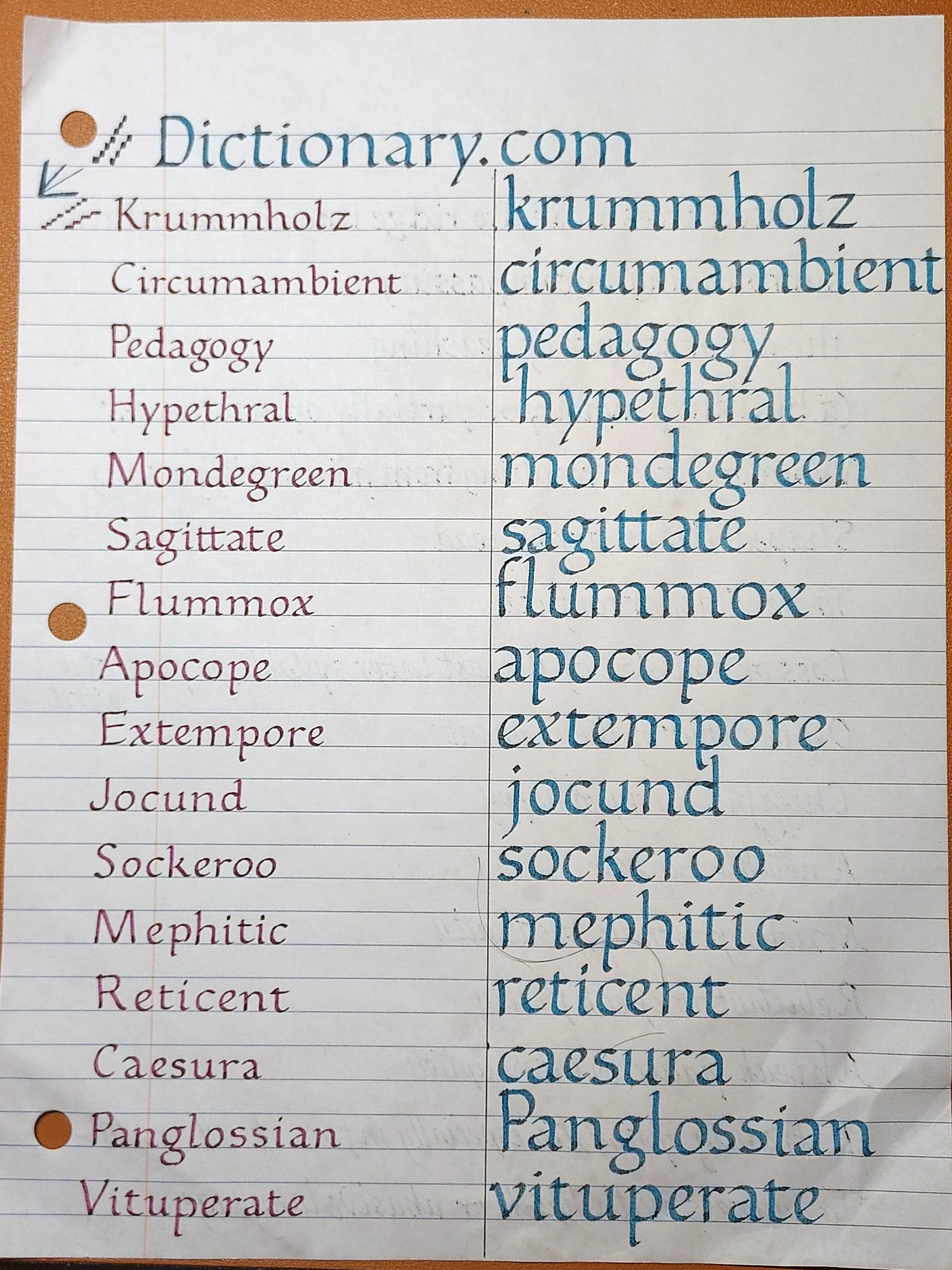
Ramin Moheb's practice notebook.
3. PRACTICE & CONSISTENCY
How do you currently structure your practice sessions?
Unstructured. Practice almost daily and for as long as I'm enjoying it.
What helps you stay consistent when progress feels slow or uneven?
When I feel stagnate or bored or frustrated with one calligraphy script, I switch to another for a while. Or I experiment with pens, papers, inks, ratios, etc. to stay interested and motivated.
How do you decide what to focus on when you sit down to practice calligraphy?
Sometimes I show ChatGPT an image of some work and ask it to suggest areas for improvement. Otherwise, it's just start with the alphabet in whatever script I'm in the mood for, then some words, and see where that leads me. Usually my session is guided purely by curiosity.
What kinds of exercises have been most helpful at this stage?
Grouping letters based on their similar elements and then writing words containing lots of letters from that group. Often, I go back to practicing the basic strokes to make sure I stay true to the script.

Profile photo credit:
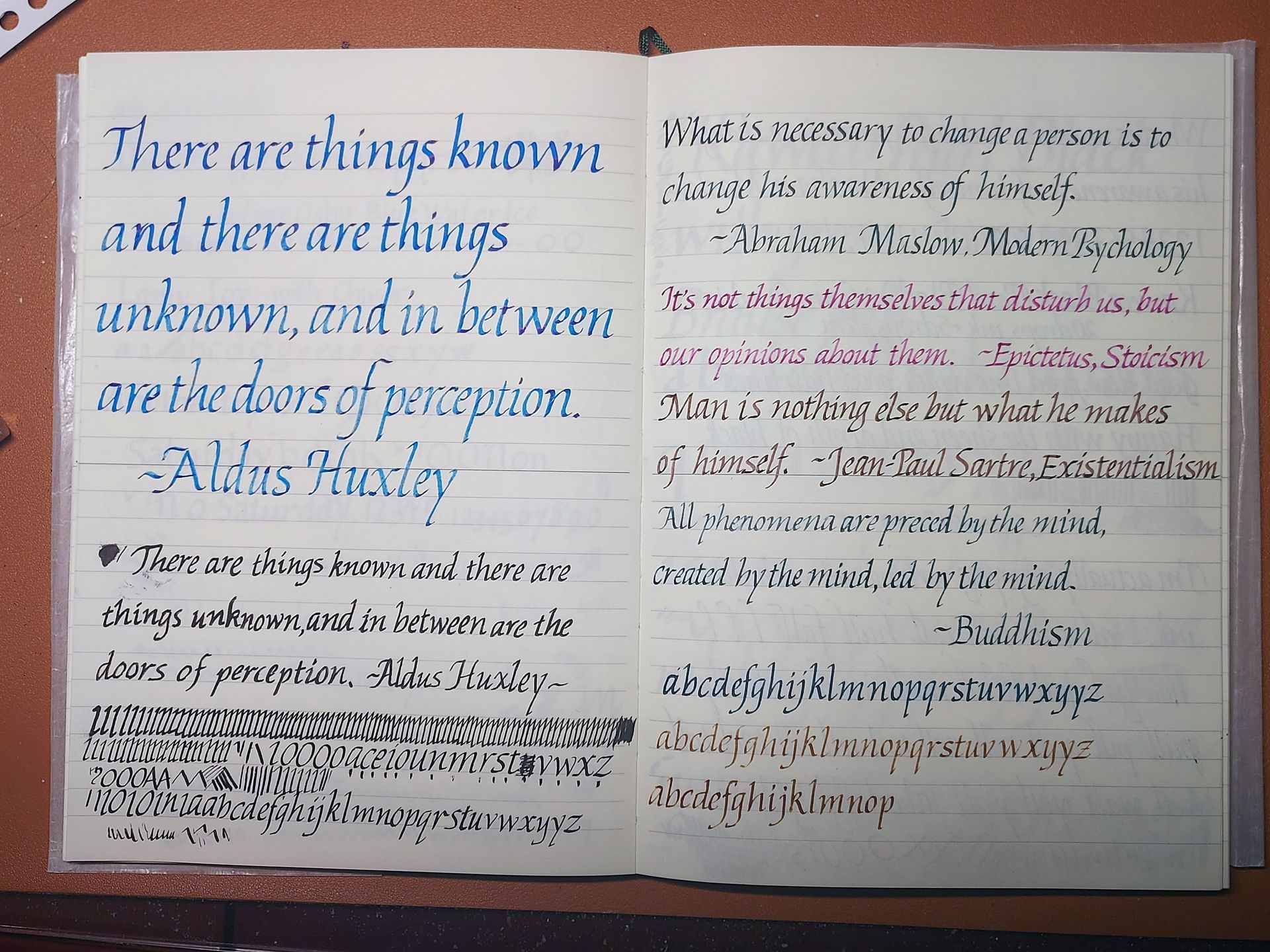
Ramin Moheb's practice notebook.
4. LEARNING & OBSERVATION
How has your ability to see and analyse letterforms improved over time?
Immensely. As I learn more scripts, I see the forms more clearly. I'm better able to see through the flourishes and fluff and analyze the essence of the form. This is a huge shift from before.
What common mistakes do you now recognise in your own work that you didn’t notice before?
Too numerous to mention. Slant, baseline, proportions, spacing, counters, margins, etc. etc.
How do calligraphy exemplars or model alphabets support your learning right now?
Their role has changed from letters to copy to a logic to understand. I now look at several exemplars and try to remove the calligrapher's style and flare to understand the underlying structure.
What role does repetition play in your calligraphy improvement at this stage?
It’s huge. I know what shape I want to produce, but to do it consistently well requires massive amounts of focused and mindful repetition. Muscle memory is a huge part of this art and that can only be learned through focused repetition.

Profile photo credit:
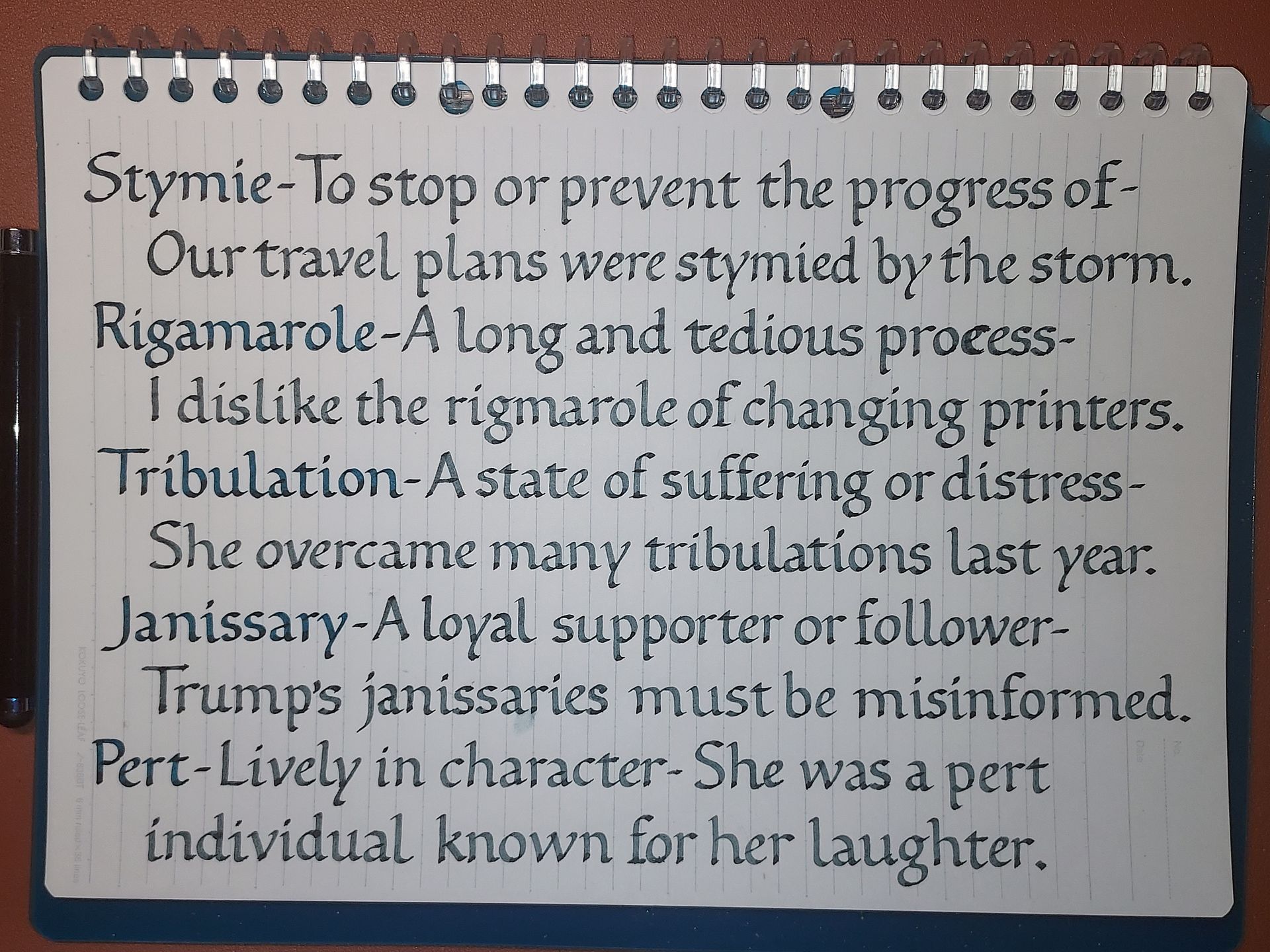
Ramin Moheb's practice notebook.
5. Developing Confidence & Voice
When do you feel most confident in your writing, and when does doubt appear?
I feel most confident with lowercase Italics. Everything else comes with some level of doubt.
Are there early signs of personal preference or style emerging in your calligraphy work?
I would call them tendencies. Yes, I have natural tendencies I have accepted as my "style" which do not destroy the ontology of the letter nor the logic of the script.
How do you balance following rules with experimenting a little?
I experiment a lot. But always come back to the calligraphy basics. Too much following the rules bores me and too much experimenting becomes unfruitful and even counterproductive. I alternate between the two as my interest dictates.
What kind of calligraphy work feels just outside your comfort zone right now?
Flourishes, page layout, using software, Gothic scripts.

Profile photo credit:
Ramin Moheb's practice notebook.
6. FEEDBACK & COMMUNITY
How has receiving feedback influenced the way you practice calligraphy?
Huge. Feedback is my primary gauge for improvement and a great source of interest and exploration.
What type of feedback do you find most useful at this stage of learning?
Positive, focused, encouraging, actionable feedback.
Do you share your calligraphy work on social media?
No.

Profile photo credit:
Ramin Moheb's practice notebook.
7. LOOKING ahead
What are your next goals in your calligraphy journey?
Learn a basic Gothic script and revisit Copperplate calligraphy.
Where can people find your work online?” (website / socials)
No online presence. Only on paper in my folders.

Hey! I'm Maria Montes, a Catalan-Australian multilingual, multicultural designer, calligraphy-and-type educator. My creative practice is set by the principles of never stop learning, sharing knowledge and create emotion through my work.
I have been teaching calligraphy independently since 2014. My favourite way of learning is by teaching others. I offer in-person and online calligraphy courses, corporate in-house workshops, as well as private one-to-one tutorials.