Professional Calligrapher Spotlight: Wanissa Somsuphangsri
This is a new section on my Writing Calligraphy educational website where I interview professional calligraphers who make a living primarily from their work, as well as calligraphy students at different stages of their learning journey, as I’m very interested in both points of view.
In this professional interview series you'll discover different profiles —from people who are traditional calligraphers, to others like myself who combine disciplines and move between analogue and digital practices.
I’m kicking off this Professional Calligrapher Spotlight with a dear colleague of mine, Wanissa, who combines calligraphy engraving services for the luxury market with her custom tattoo creations.
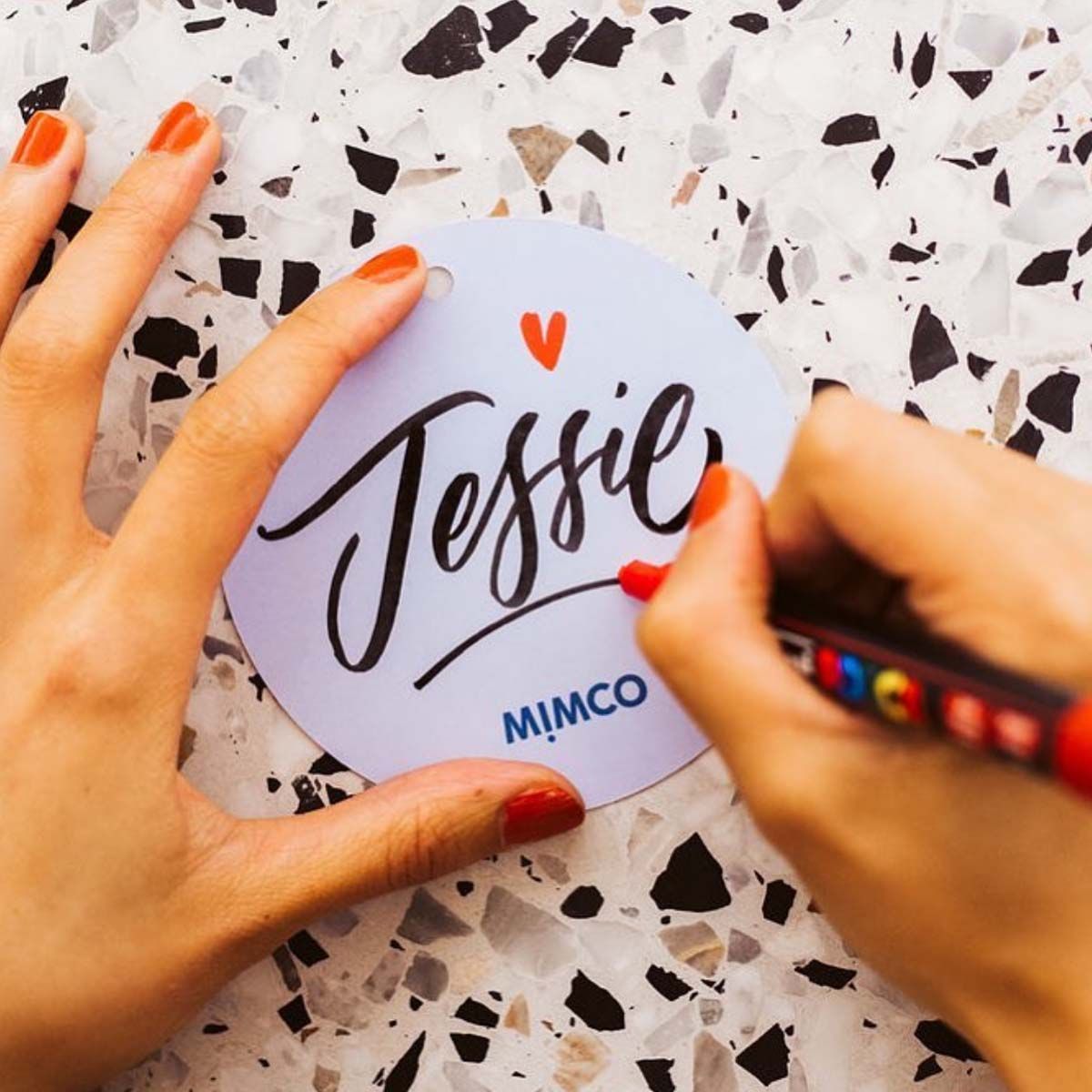
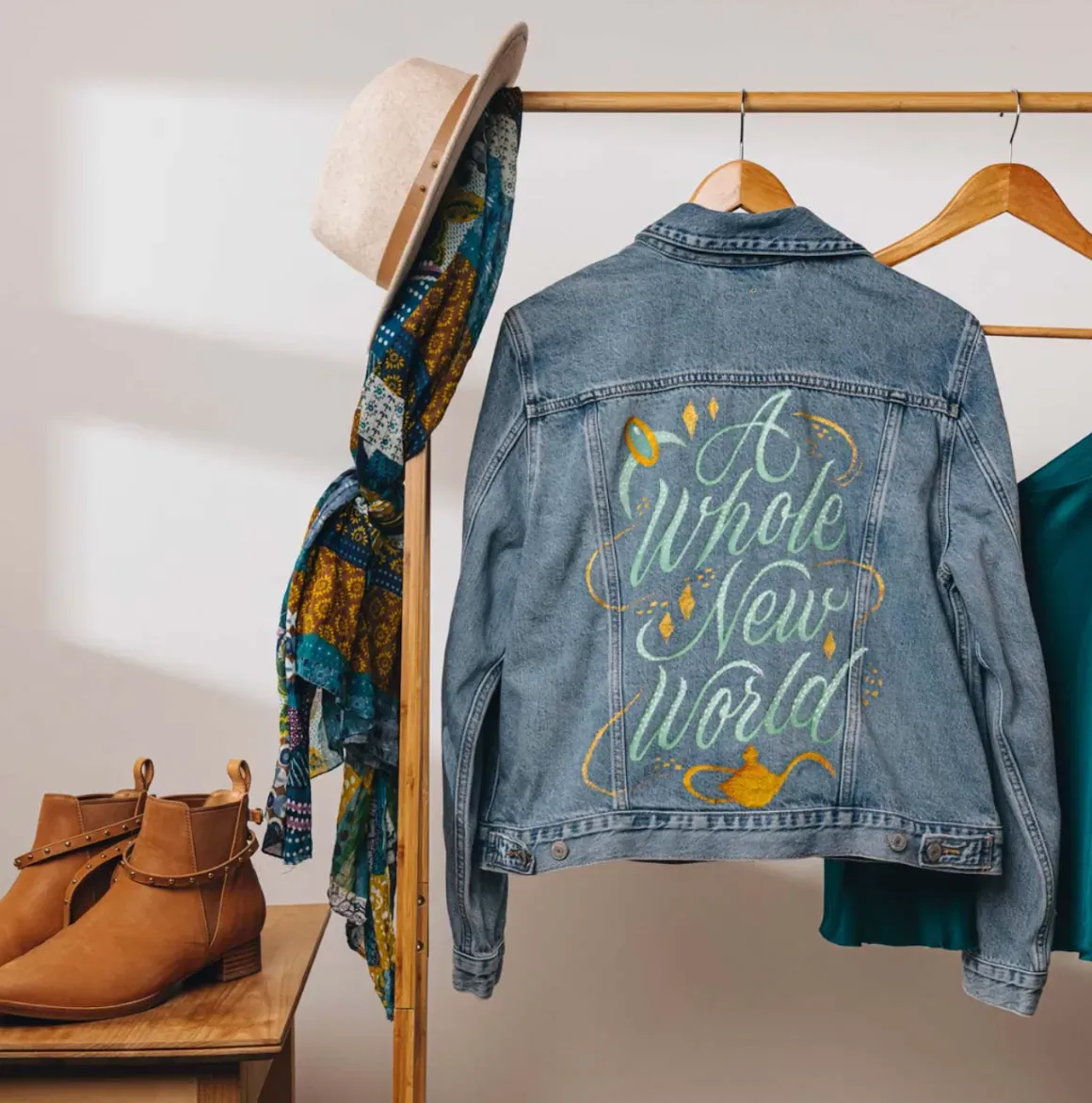
Photo credit above: Brush calligraphy by Wanissa Somsuphangsri.

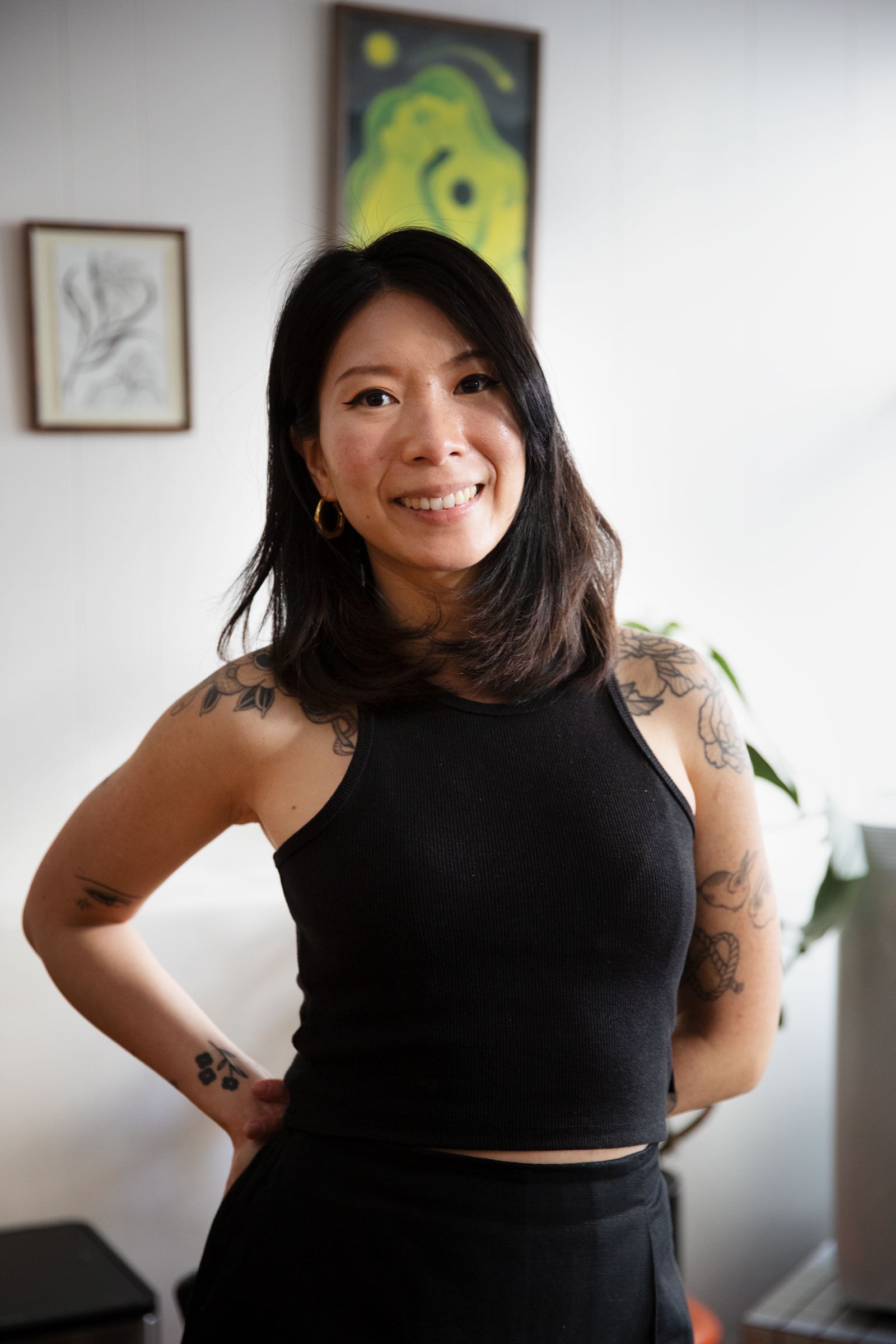
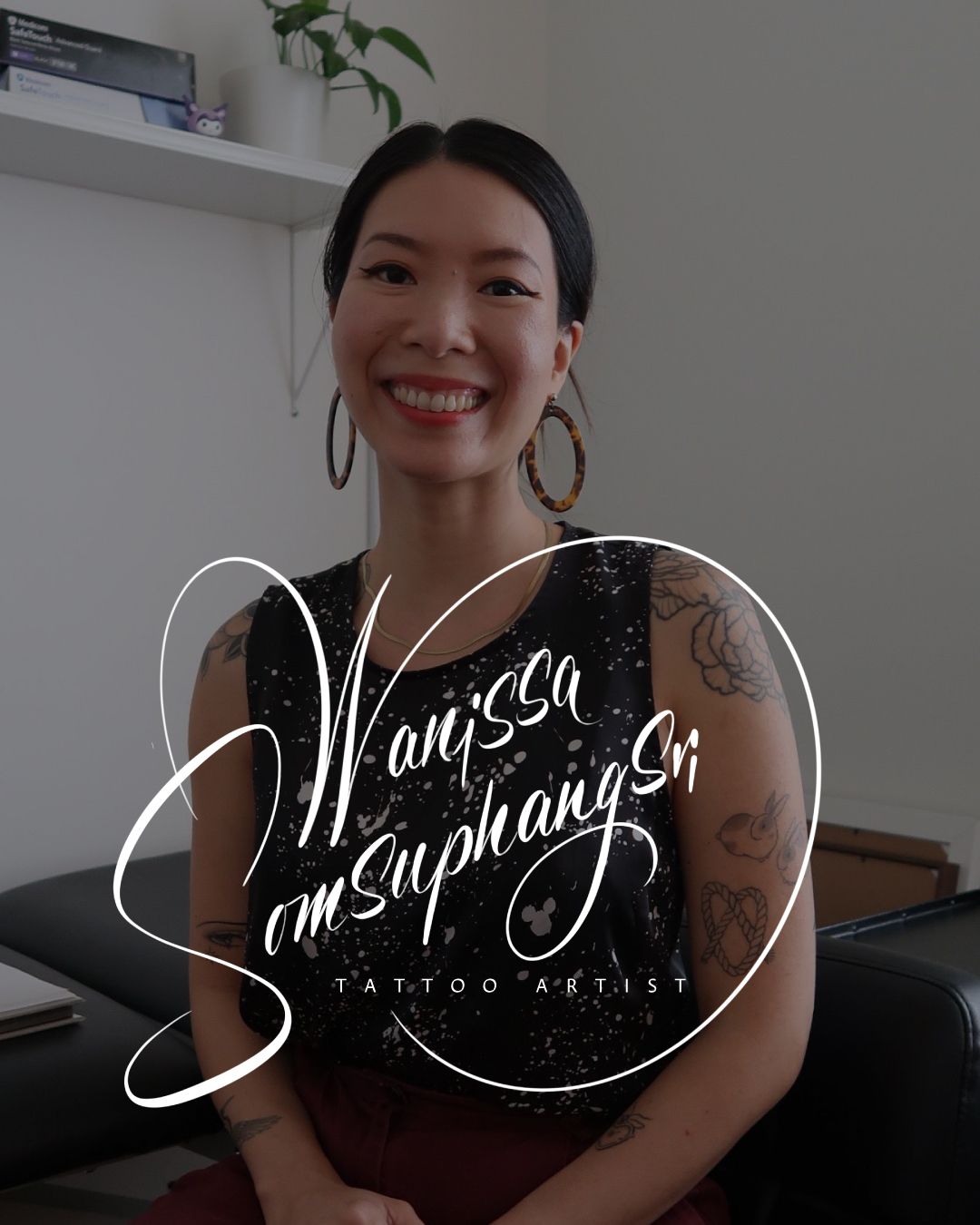
Profile photo credit: Wanissa Somsuphangsri
1. Background & Journey
And how long have you been working as a professional calligrapher?
Roughly 10 years.
Where are you based? And where are your clients based?
I'm based in Naarm/ Melbourne (Australia). Most of my work is face-to-face, and most of my clients are based here as well.
How did you first discover calligraphy, and what drew you to it initially?
I got into Pinterest when it first started gaining popularity around 2010–2011. When calligraphy began appearing in my feed, I was immediately drawn to its elegance. I was already working as a graphic designer with an interest in type, and I loved the hand-finished, human touch that calligraphy has.
Was there a moment when calligraphy shifted from a hobby to a serious practice for you?
Yes — it was when I received my first commercial job, painting two large walls in North Carlton (Naarm/Melbourne, Australia).
Before that, I had only been doing small projects for friends, like wedding invitations. Being approached by an established business helped me visualise how my work could have a commercial application, and I realised I wanted to pursue this more seriously.
Which calligraphy scripts or styles do you feel most connected to, and why?
Copperplate calligraphy! I'm drawn to detail, and I love its elegance and delicate, elaborate nature.
Who or what has had the greatest influence on your development as a calligrapher?
I really admire
Lisa Taniguchi,
Jessica Hische, and
Lauren Hom, to name a few off the top of my head. These were mostly online influences, but the most impactful figure for me was someone I could connect with in person —
Maria Montes. I attended many of her classes, and it wasn’t just her teaching style or how knowledgeable she is, but also the passion she brought to her work that truly inspired me.


Photo credits: Brush pen calligraphy and lettering by Wanissa Somsuphangsri.
2. PRACTICE & PROCESS
Can you describe what your current calligraphy practice looks like (frequency, structure, rituals)?
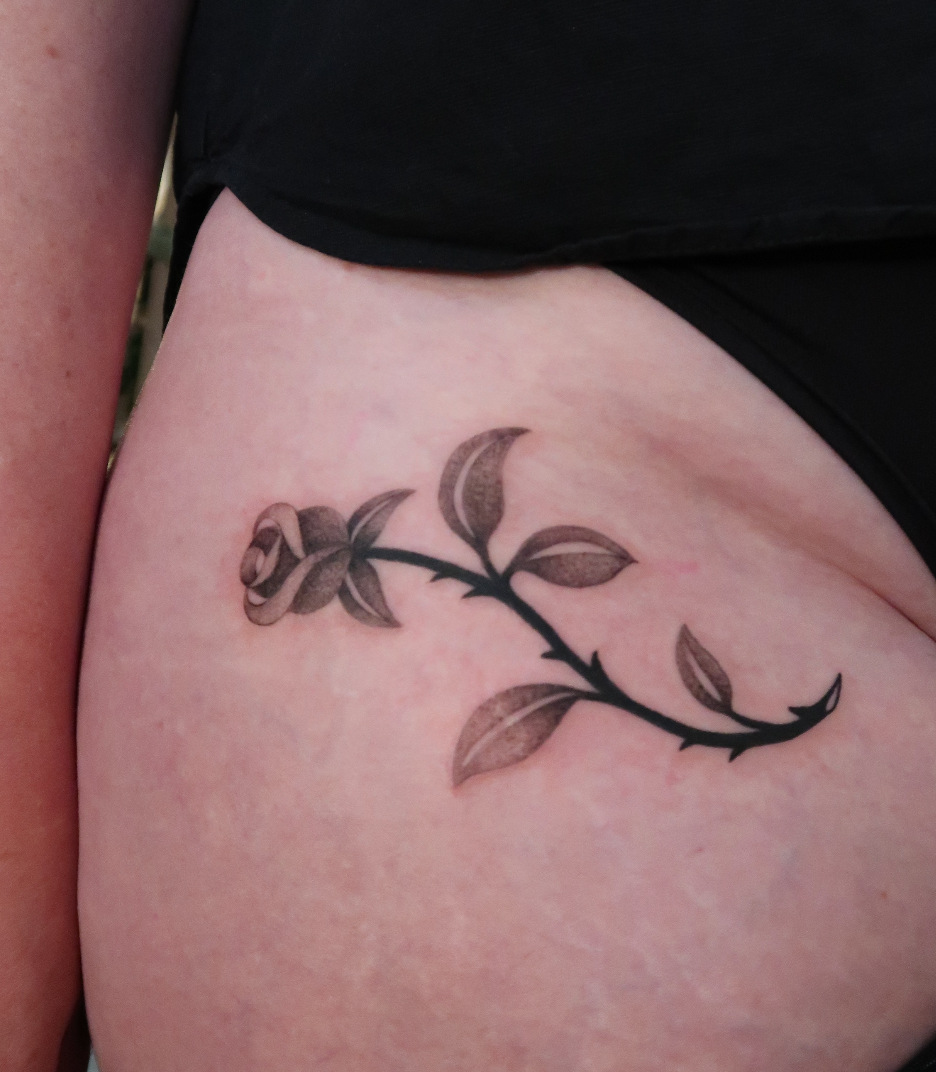
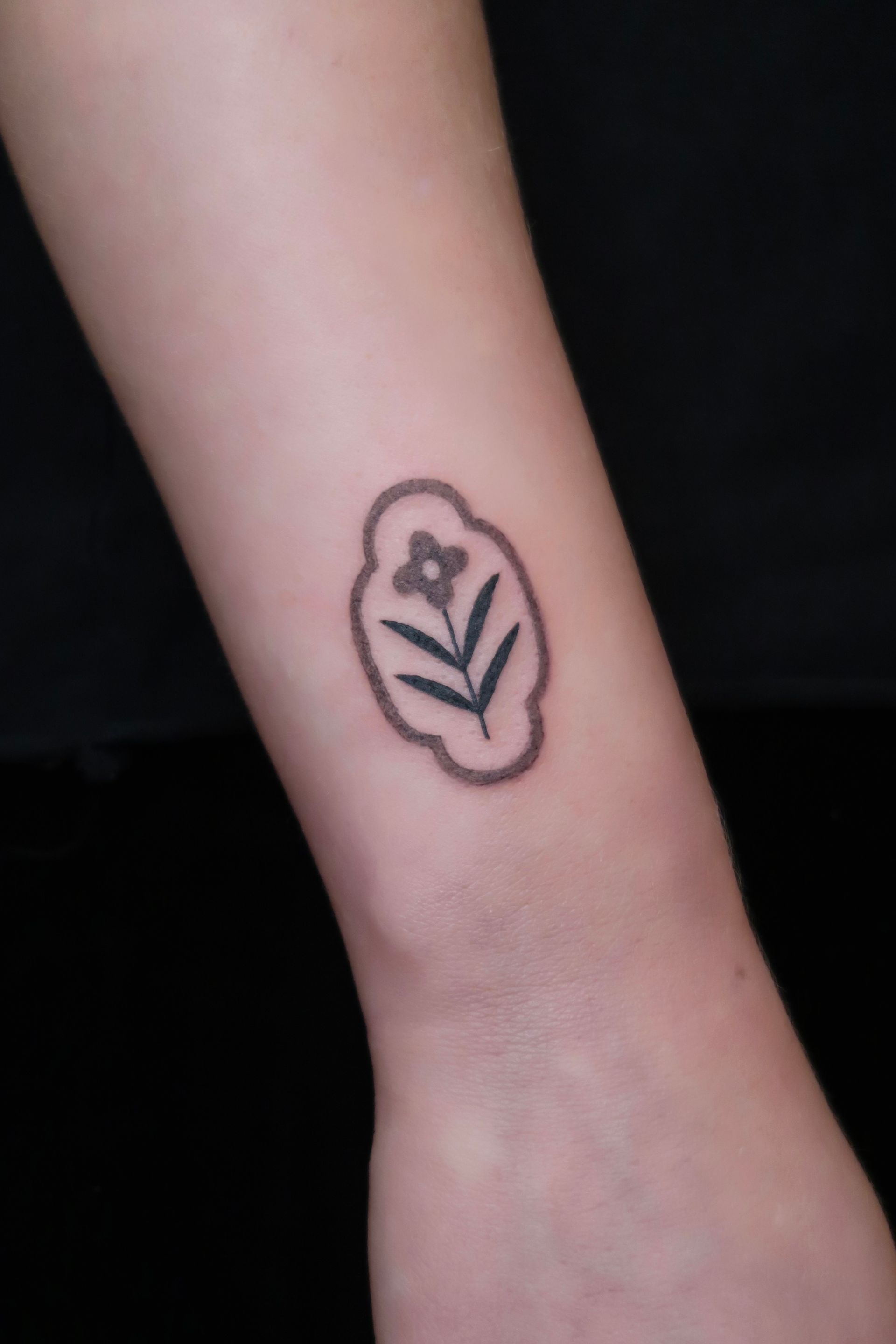
Actually, my current practice is tattooing. My tattoo style focuses largely on floral and ornamental designs rather than calligraphy, but I still enjoy undertaking live calligraphy work, primarily engraving.
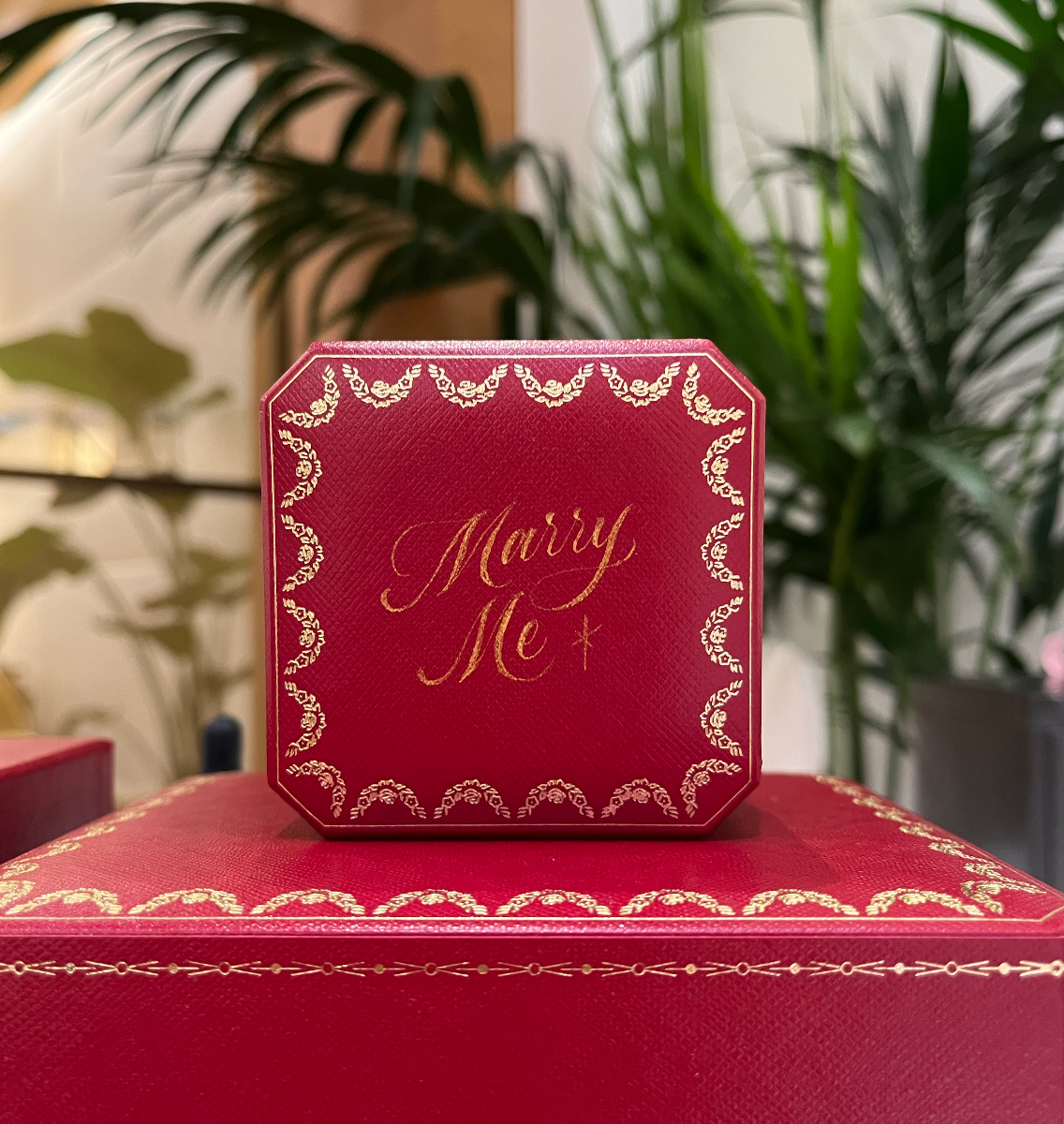
I often work in-store with luxury brands such as Dior, Hermès, and Balenciaga, offering on-site personalisation of items like lipsticks and fragrances with names or messages.
How do you usually approach learning a new calligraphy script or refining an existing one?
Looking at references, good books and sometimes going to the library.
What tools, materials, or resources do you rely on most in your calligraphy work?
For calligraphy, it would be my engraving machine.

Photo credit: Calligraphy engraving by Wanissa Somsuphangsri.
3. TEACHING & LEARNING
What do you believe is the most challenging aspect of learning calligraphy for beginners?
I'd say finding your own style is the biggest challenge.
Style and individuality can only develop through time, patience and perseverance. Copying and imitating seems to be a common way to learn, but I believe the real work lies in understanding the basics and learning how to make it your own.
Are there common misconceptions about calligraphy you often encounter?
Yes, I often hear people say, “Wow, you have nice handwriting.” In reality, my everyday handwriting isn’t particularly nice — my calligraphy looks the way it does because of deliberate practice and study. I think this applies not only to calligraphy, but to art practices in general. There’s a common misconception that talent appears naturally and effortlessly, when in truth, art is a choice that requires commitment, practice, and dedication.

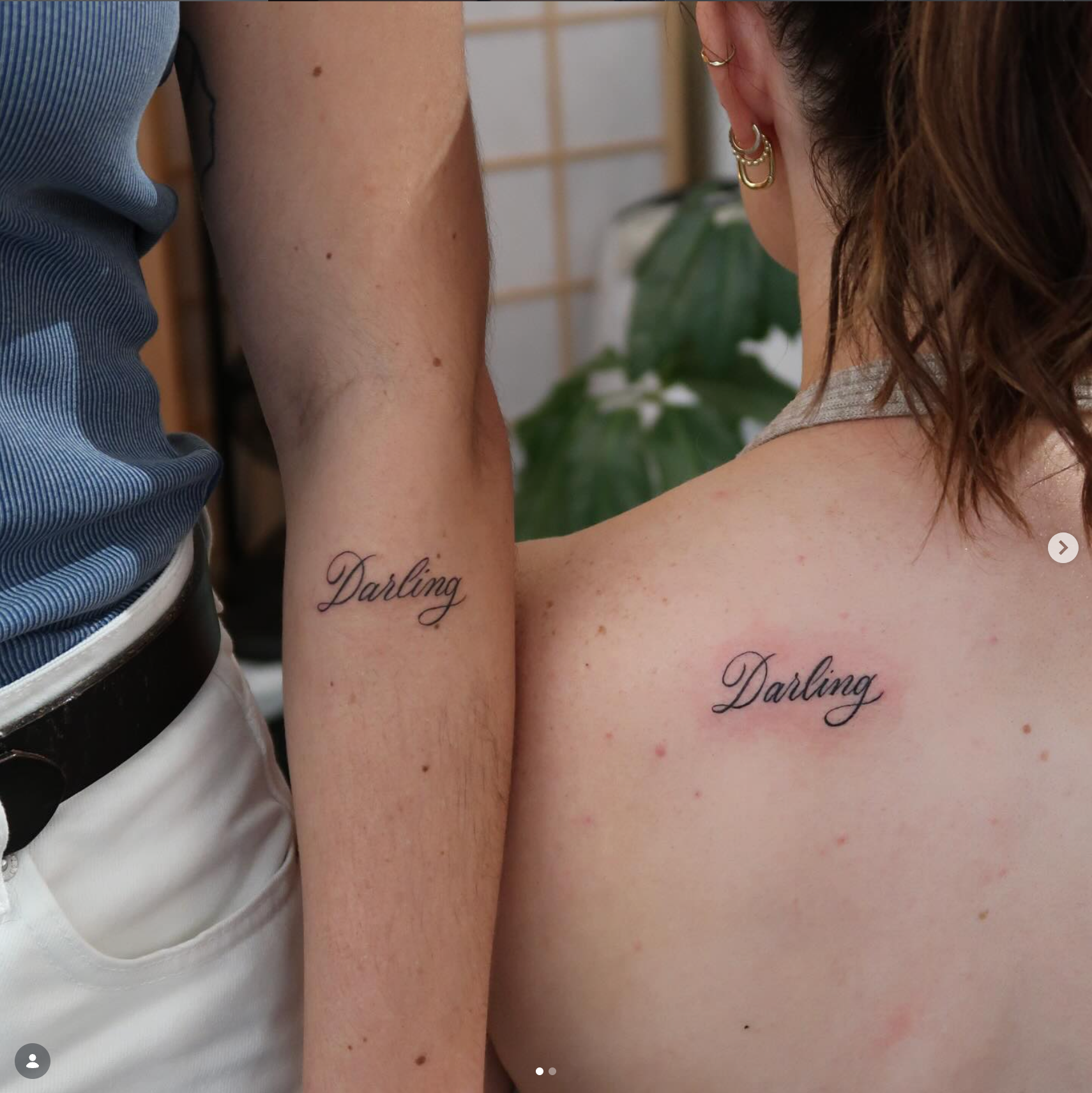
Photo credit: Lettering tattoos by Wanissa Somsuphangsri.
4. Career & Sustainability
What has been the most unexpected part of building a life or career around calligraphy?
How flexible and adaptable having this skill is. It’s refreshing to see that there are multiple ways to apply our work, if we can learn to adapt to the ever-changing demands and interests. The way the work has evolved and grown through the years has been pleasantly unexpected.
What services do you offer and for whom?
At the moment I do engraving and live calligraphy for brands through an agency, and also I run my own tattooing business, working from a studio in Naarm/ Melbourne CBD (Australia).
What’s the calligraphy service you offer the most to your clients?
For calligraphy engraving, the most popular items at the moment include fragrances and lipsticks.
For tattoos, there is a big variety of requests, though the arm and leg tattoos are the easiest spots so that’s the most common service at the moment.
Is your practice 100% analogue? Do you use Procreate or vector based software?
For calligraphy engraving, it’s 100% analogue - mocking up script using a fine line metallic pen, then going in with the engraving machine, and finally adding silver or gold shine to finish.
For tattoos, it’s a blend of digital and analogue. I use ProCreate to make stencils, refine tattoos and create occasional concept mockups for clients. The Flash can be done digitally too, though I’ve been loving working analogue lately, drawing designs on paper. When it comes to creating the actual tattoo itself, it’s of course 100% analogue, using a tattoo machine, ink and needles.
How do you navigate creative blocks, plateaus, or periods of doubt?
If I’m feeling blocked, I like to completely step away and take a few days off — enjoy good food, go to the park, watch a movie and spend time with loved ones. I’ve accepted doubt as a natural part of the work. The nature of what I do is highly competitive, and there’s no guarantee that what I’m doing will last, but my curiosity to create and my drive to continue always outweigh the doubt.
I also like to remind myself how lucky I am to be able to pursue art as a career.
What advice would you give to someone hoping to pursue calligraphy professionally?
Be patient with yourself. Good work takes time, and look for inspiration outside of Instagram.

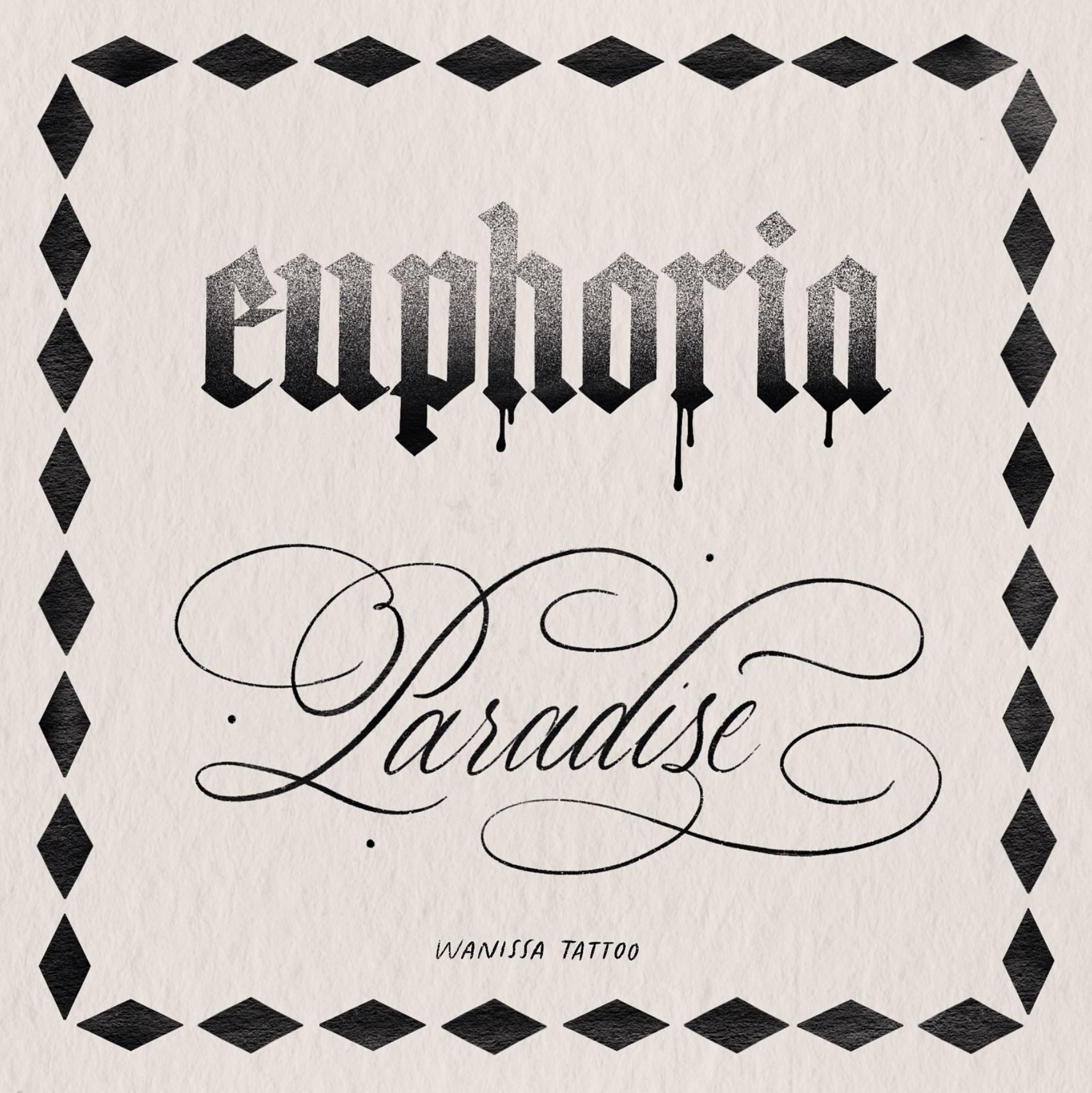
Photo credit: Calligraphy and ettering design by Wanissa Somsuphangsri.
5. PROFESSIONAL PROFILE
Where can people find your work online? (website / socials)


Photo credit: Tattoos by Wanissa Somsuphangsri.

Collaboration: Profile image by Wanissa Somsuphangsri and custom signature design by Maria Montes.
Reach out if you would like to be featured!