Professional Calligrapher Spotlight: Gina Serret
In this section of my Writing Calligraphy website, I interview professional calligraphers who make a living primarily from their work, as well as calligraphy students at different stages of their learning journey, as I’m very interested in both points of view.
In this professional interview series, you’ll discover a variety of profiles — from traditional calligraphers to others, like myself, who combine disciplines and move between analogue and digital practices.
I’m delighted to feature Gina Serret in this Professional Calligrapher Spotlight series! Gina and I were classmates back in 2011 while studying typeface design. In recent years, I’ve had the opportunity to visit Gina in Paris, and I’m hoping we can catch up again in Barcelona soon!
Photo credit above: Vector lettering by Gina Serret.
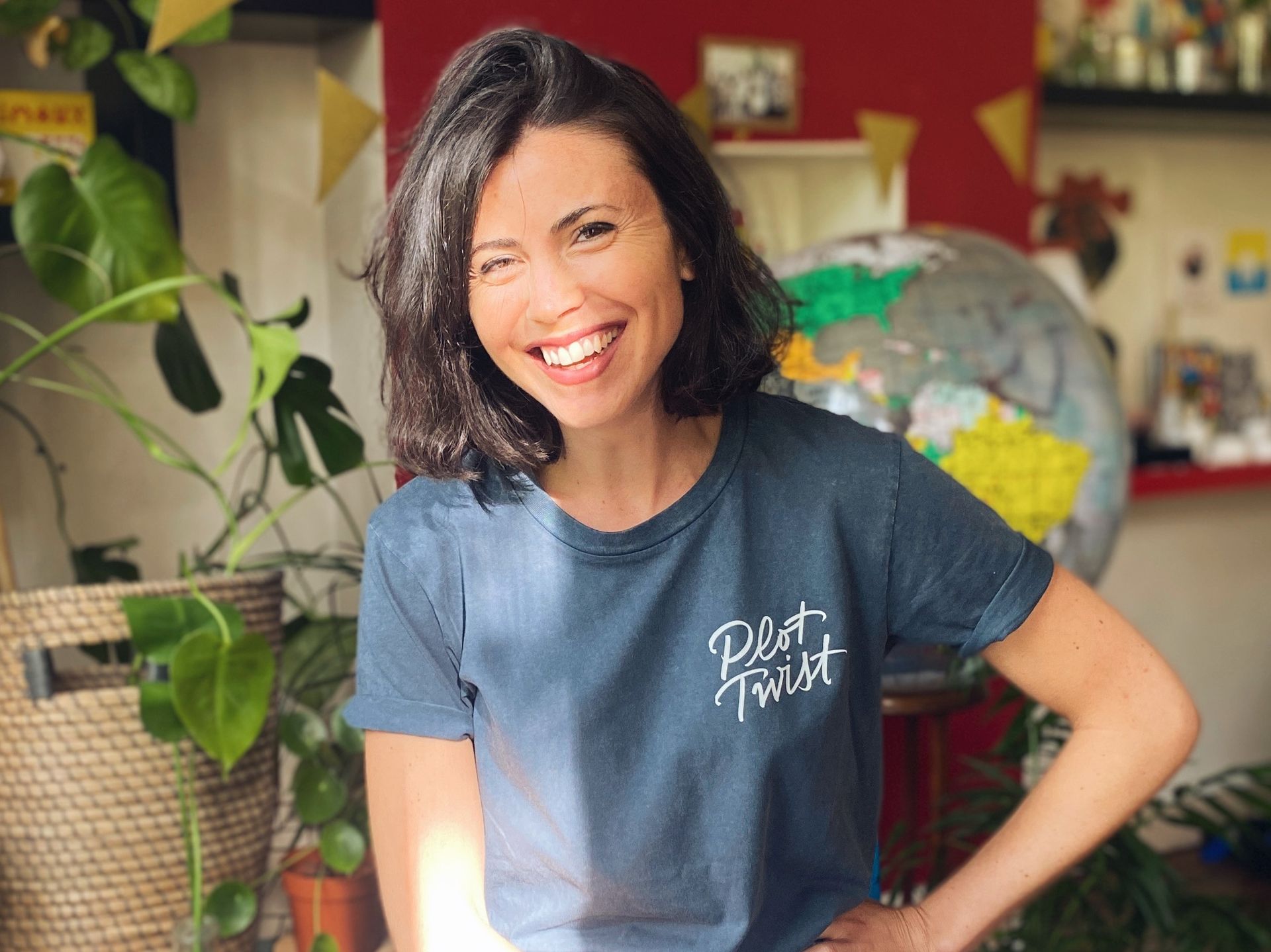
Profile photo: Gina Serret
1. Background & Journey
How long have you been working as a professional calligrapher?
I started in Autumn 2016, so it’s been nearly ten years now! It’s been an incredible journey of constant learning and refinement.
Where are you based? And where are your clients based?
I am currently based in Paris, but my clients are from all over the world. Naturally, I work with many French and Spanish clients (as I am frequently in Barcelona), but I also often collaborate with teams in the UK, across Europe, the Americas, and even Asia.
I truly enjoy the balance of working on-site for local projects while managing international commissions remotely. Working locally is so rewarding and necessary, but I have to admit I love the combination of working for my neighbour’s coffee shop while simultaneously developing an advertising campaign with an international team for a global client.
How did you first discover calligraphy, and what drew you to it initially?
My very first contact with calligraphy was during my graphic design studies, but it wasn't until I took a Master’s degree in Advanced Typography (where I met Maria!) that I truly realised the immense importance of calligraphy in type design.
I felt drawn to the artisanal nature of calligraphy and hand-lettering far more than to digital work; so a few years later, I felt the need to go back to the roots of the letterform and expand my knowledge. That’s when, learning from Keith Adams, Oriol Miró, and Ivan Castro, everything began to unfold—quite naturally and without any expectations.
Was there a moment when calligraphy shifted from a hobby to a serious practice for you?
The turning point was when I was invited to teach an 'Introduction to Calligraphy' course. It took me some time to say yes, as I didn't feel ready yet! But almost at the same time, I started receiving my first commissions for luxury brands. I’ll always remember my first Christmas campaign working on-site for Burberry at their beautiful Barcelona store. That was a blast—and it was the moment I began to realize this was no longer just a practice, but a professional path. Though to be honest, that realization took me some time too!
Which calligraphy scripts or styles do you feel most connected to, and why?
For a long time—and I’d say still today—Italics. Once you master this base, you can truly do whatever you want. It is the foundation of our modern handwriting, yet it’s incredibly versatile: you can keep it classical and formal, or play with different variables to give it a more informal, contemporary feel. It even helps you improve your own everyday handwriting. So yes, definitely
Italics!
Who or what has had the greatest influence on your development as a calligrapher?
Keith Adams was my first and remains my greatest influence. Later on, I met Oriol Miró, from whom I learned a different style and began to understand how our own personality is transmitted through our calligraphy. Shortly after, I met Ivan Castro, who has also been a major influence. And last, but certainly not least, I had the pleasure of learning from Amanda Adams. With her and Keith, I spent some of my most inspiring summers in the French Alps, surrounded by nature, good food, and amazing people.
On a more indirect but equally profound level, the magnificent works of
Irene Wellington, Hermann Zapf, Alfred Fairbank, George Bickham, and Rudolf Koch have been foundational to my career.
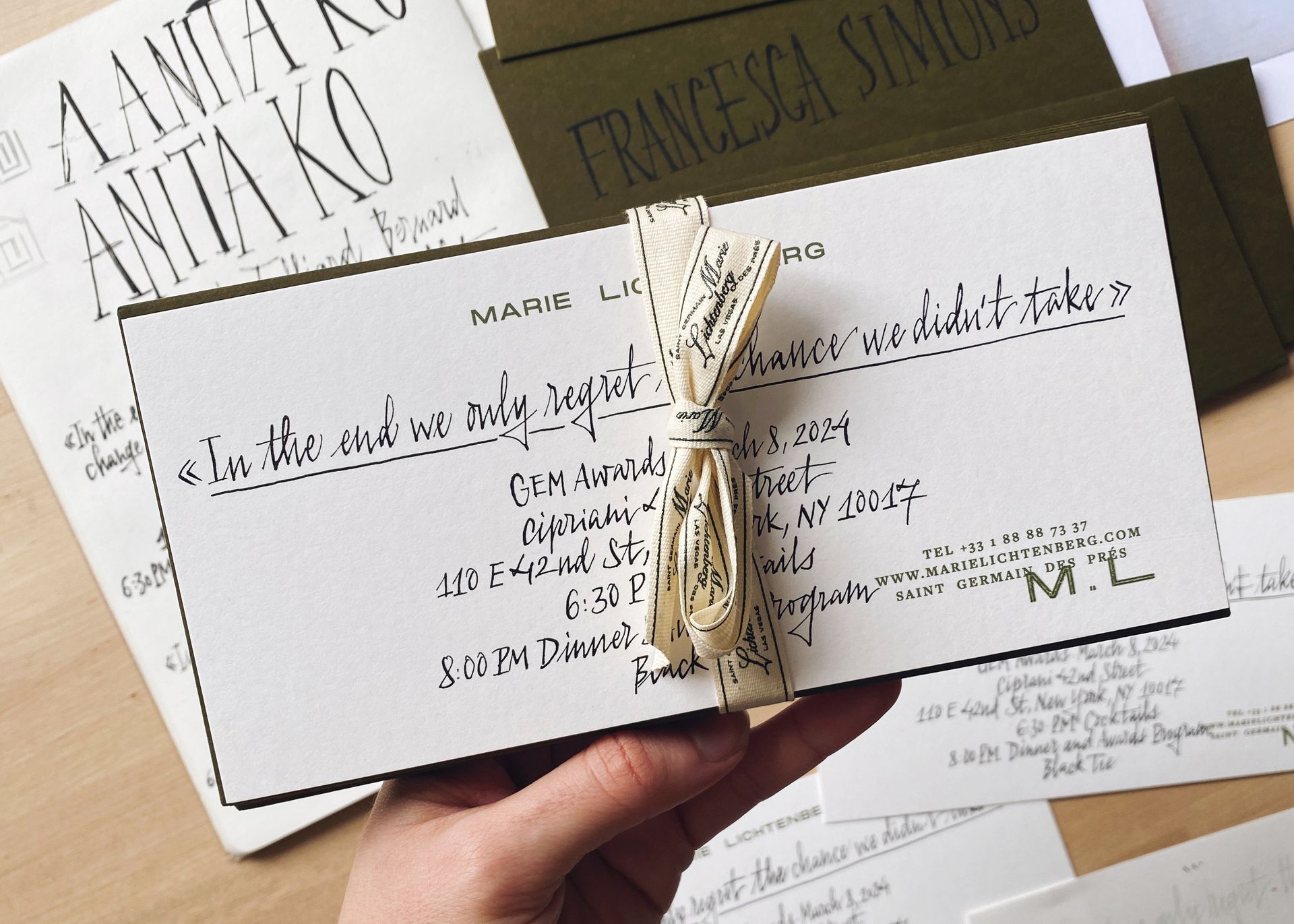
Photo credits: Calligraphy by Gina Serret.
2. PRACTICE & PROCESS
Can you describe what your current calligraphy practice looks like (frequency, structure, rituals)?
I’m actually quite bad at rituals! Let’s just say that, except for weekends, I practice every day for one reason or another. I’d love to say it’s for personal projects, but I’d be lying—it’s mostly for work. For years, I was incredibly disciplined, but nowadays I’m far from what I used to be. I’ve become very curious about linocut and watercolor lately, so whenever I have some spare time, I love experimenting with these techniques.
One of the things that stresses me out the most is not being able to find enough free time for my own personal work. Do you know the secret? If so, please share it!
How do you usually approach learning a new calligraphy script or refining an existing one?
I start by deeply analysing each stroke to understand the tool, the pressure, and the angle of the pen on the surface. Once I’ve internalised those details, I begin practicing. First, I literally copy the exact text of the script I have in front of me. Once I feel I’ve captured the essence and it starts looking good, I move on to writing my own text. From there, it’s all about repeating, repeating, and repeating again.
What tools, materials, or resources do you rely on most in your calligraphy work?
I must confess—I’ve never used a Pilot Parallel Pen. Once, a student invited me to try one, and I felt so uncomfortable that I quickly reached back for my metal nib. Was I betraying the discipline? Of course not, silly me!
I mainly use pointed or broad-edged metal nibs for small-scale work,
walnut ink for sketches,
Sumi ink, or gouache, and pointed
watercolour brushes (natural hair) for larger commissions. I also rely on a ruling pen—and although I own many, I always find myself using the same one—as well as handmade pens made from soda cans. Jokes aside, nowadays I rarely use brush pens or markers, unless the project specifically calls for them.
How do you balance technical discipline with personal expression in your lettering?
Ha, tricky one! Actually, it’s a constant conversation between the two. For me, technical discipline is the foundation—it's about all those years spent studying and respecting the historical models. I’ve always tried to be very loyal to the technique because that’s what gave me the control I needed.
Only after mastering those styles did I feel capable of breaking certain rules with a sense of security —and still! It’s that confidence that allows me to let my personal style flourish and make the letters truly mine. That said, even in the most orthodox commissions, there’s always a trace of my own hand; you can’t really hide it once you’ve found your own voice.
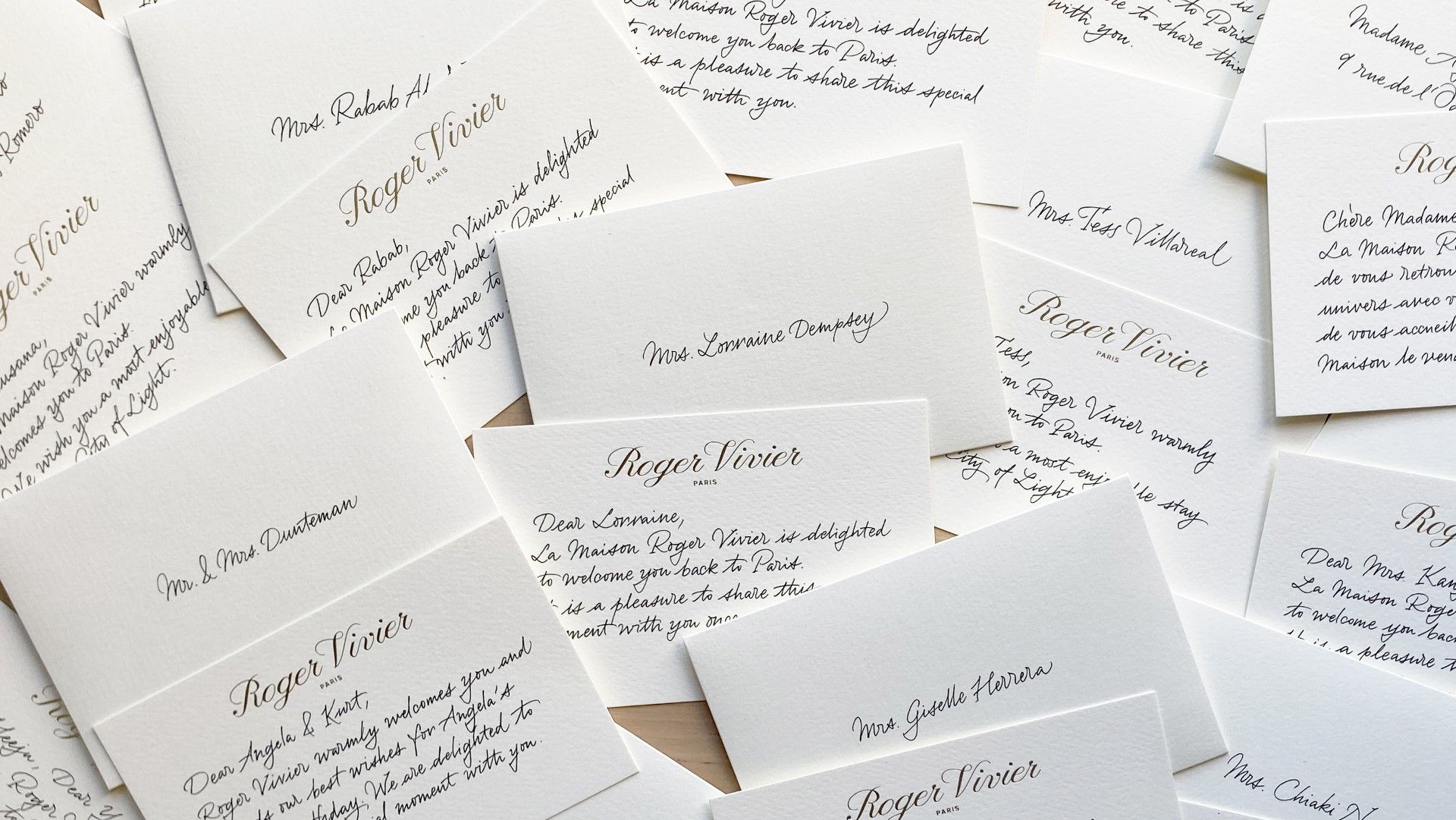
Photo credit: Envelopes and calligraphy invitations by Gina Serret.
3. TEACHING & LEARNING
What do you believe is the most challenging aspect of learning calligraphy for beginners?
The most challenging part is the mental and physical discipline it requires: the need for absolute constancy, patience, and managing frustration. Calligraphy is a solitary, deeply focused practice that can be physically exhausting at first—that initial posture can feel so counterintuitive!
There is also a constant internal struggle between the desire to move forward and the technical necessity of slowing down to gain control. Mastering that balance is a hurdle every calligrapher faces. I remember how demanding it was back then, and it’s something I always emphasize to my students now.
What is one foundational skill or habit you wish students focused on earlier?
I’d highlight three points. First, speed: students are always too fast; have you ever counted how many times we repeat 'slow down' during a lesson?
Second, overlooking the white space—focusing only on the black and forgetting that the 'air' inside and around the letters is just as important (thank you, dear Keith!).
And third,
posture: they rarely follow the instruction of keeping their paper straight in front of them—except for the lefties and a few technical exceptions, of course!
How has teaching (formally or informally) influenced your own practice, if at all?
It’s often said that teaching is learning, and in calligraphy, that’s a profound truth. Beyond sharing my expertise, the act of verbalising my process forces me to codify my own rules. It’s incredibly rewarding to break down a complex technique and then see that method click for a student. It’s a powerful validation of my own system; seeing their progress confirms that the technical foundation I rely on is solid.
Teaching also keeps me in a state of constant research. It pushes me to dive deeper into historical models and often leads to discovering magnificent calligraphers or rare works that I might have otherwise overlooked. It keeps my own practice fresh and evolving.
Are there common misconceptions about calligraphy you often encounter?
That we calligraphers somehow still live like medieval nuns!
People often imagine us tucked away in a scriptorium, working (only) on parchment with quills—in a freezing atmosphere, of course, with only some candles around if you're lucky enough... straight out of the Middle Ages. It always surprises me how many people don't realise that we can do modern, edgy stuff too, and that our craft has a very real place in contemporary design.
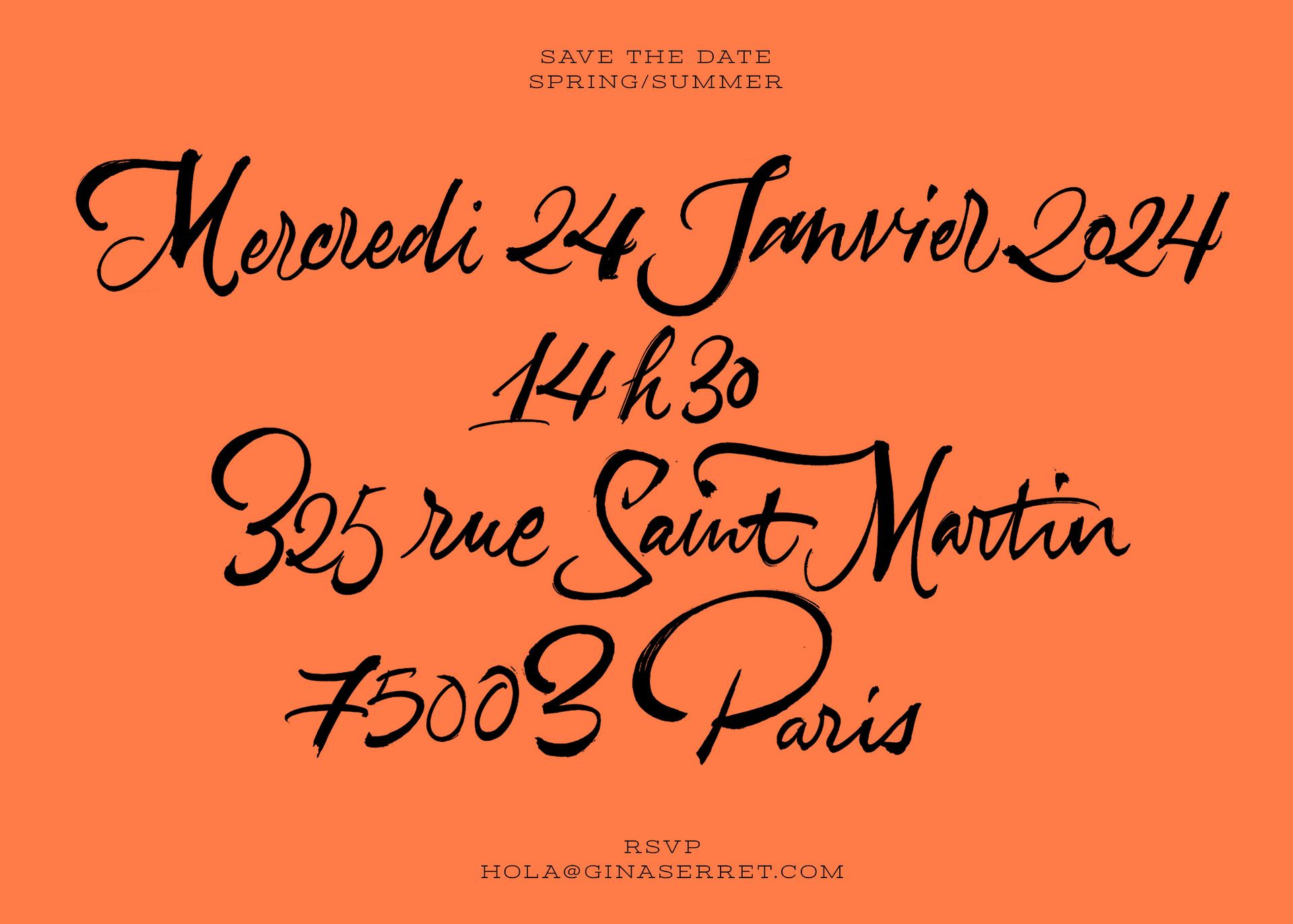
Photo credit: Calligraphy invitation by Gina Serret.
4. creative voice & philosophy
How would you describe your personal calligraphic voice or aesthetic?
Defining one’s own voice is always challenging since it’s a living process. Others often describe my work as a blend of elegance and warmth, shaped by an organic and personal gesture.
I’ve realised over time that I rarely stick strictly to traditional models; I use them as a foundation, but I usually let my own style take over. Timelessness is essential to me—I’m constantly looking for that balance where the letters feel both timeless and deeply human.
What role does historical study play in your contemporary work?
As mentioned, history is always the foundation of my initial research—it’s where I find the roots of my own style. I apply that same method to my lettering and design projects. I love getting lost in old lettering manuals and rare type books to hunt for weird letterforms. Even if they don't fit the project I’m working on at the moment, I save them in my archive.
Afterwards, in my mind, I know I have the right reference somewhere, although I must admit that finding THAT specific piece in my own archive can be a challenge! My archive is, quite frankly, a bit of a mess. It’s another one of those things on my to-do list: finding the time to organize my 'creative chaos' into something more logical and intuitive. But well, that’s another battle for my free time!
Do you see calligraphy more as a craft, an art form, an academic pathway, a creative business or a meditative practice—or a combination?
That’s a difficult one to answer briefly! It really depends on the stage of my life and the context of the work. Over my ten-year career, calligraphy has certainly been a meditative practice—though I must admit, it's hard to find that headspace right now. I’ve embraced it—and I still do—as an art form for specific, mostly personal projects. And let’s be honest: it’s also my livelihood. So proudly, I have managed to consolidate a creative profession around it—I’ve never felt entirely comfortable with the term 'business'.
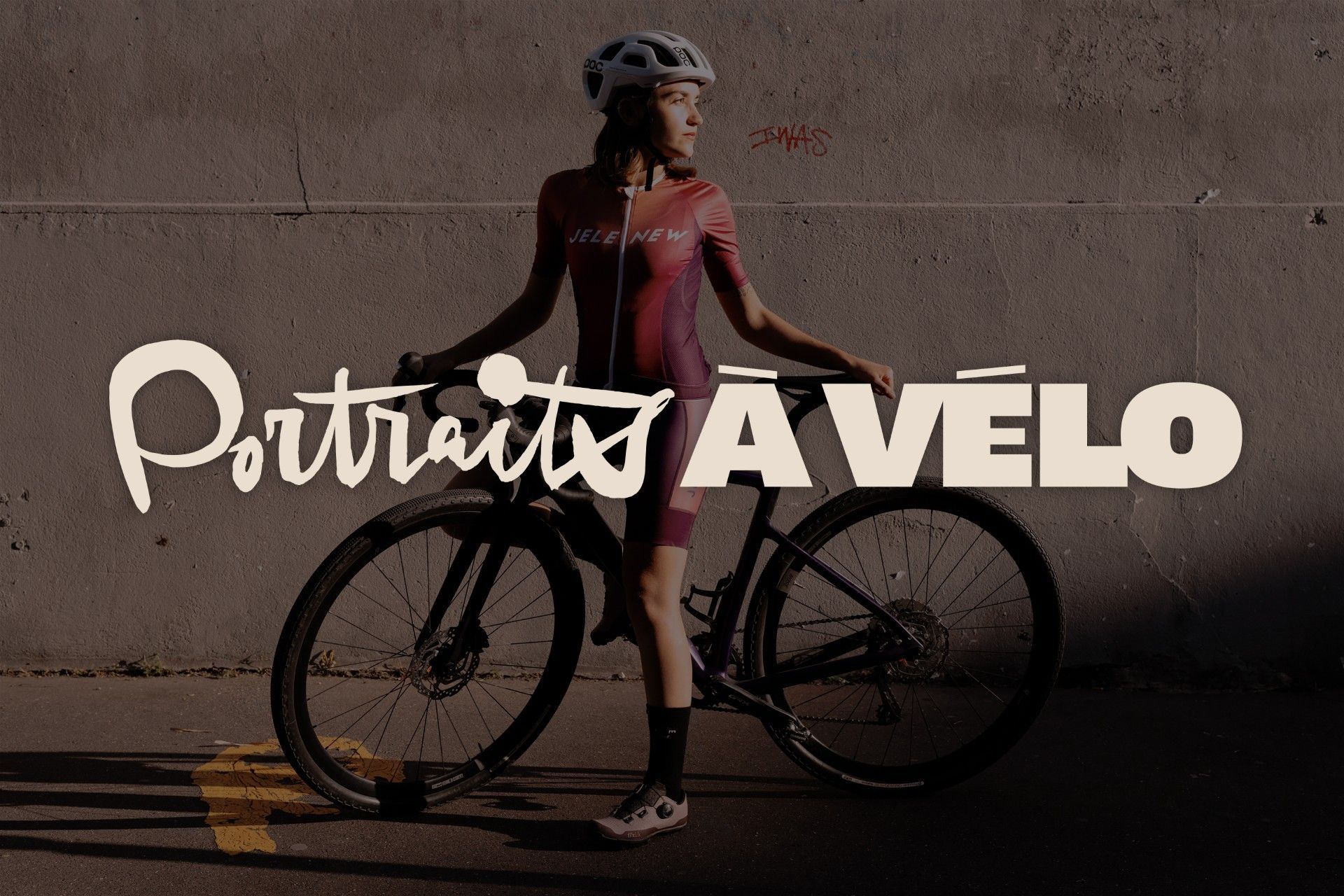
Photo credit: Calligraphy and typography by Gina Serret. Photographer: Nicola Fioravanti.
5.
Career & Sustainability
What has been the most unexpected part of building a life or career around calligraphy?
I wouldn’t say it was just unexpected; at times, it’s been downright surreal. A few years ago, I found myself hand-writing a long letter addressed to the wealthiest man in Spain—I still wonder if he ever read it! I swear it was perfectly legible and beautiful ;). I’ve also written letters for a desperate lover, and for a proud father congratulating his son.
It still surprises me where this discipline can take me. Recently, I was asked to hand-paint a luxury fashion brand's logo onto brand-new clutches for their latest show here in Paris. Honestly, it was a blast! Another fun story is that I’ve been a hand-double in a movie, dressed exactly like the lead actress to write the letters her character was supposed to be penning. You can actually see those hands in action in a short clip on my website.
There’s even another unexpected project launching globally this summer that I can't talk about just yet... but let’s just say that for an 'ancient' craft, calligraphy remains at the forefront of contemporary design.
What services do you offer and for whom?
I offer bespoke calligraphy, lettering, and type design for branding, advertising, and editorial projects. My expertise covers a wide range of specialised handmade techniques, from sign-painting and hand-lettering on diverse surfaces like fabric or metal, to custom engraving on glass, wood, and metal. Of course, one of the main tasks I perform remains traditional custom calligraphy on paper stationery.
My primary clients are luxury and fashion brands, as well as communication agencies and design studios looking for a unique, handcrafted touch for their visual identities.
What’s the calligraphy service you offer the most to your clients?
I’m glad to say my work remains very diverse, and I guess that is the lifeblood of my career. As I mentioned, I’m often asked to provide handwritten stationery for luxury brands, but also to create lettering artwork and logotypes from scratch. This allows me to combine my entire workflow into a single project: starting with calligraphy, moving into hand-lettering, and finishing with a precise digital drawing.
In recent years, on-site personalisation for brand activations has become very popular. To be honest, it’s not my favorite task creatively, as there’s less room for original design. However, the most rewarding part is the immediate connection with people. Seeing how grateful they are for their customised item provides direct, positive feedback that is incredibly satisfying.
Is your practice 100% analogue? Do you use Procreate or vector based software?
It’s not. Part of my work inevitably ends up on the computer—and not just for scanning artworks to deliver them digitally. I sometimes use those scans as a base to manually redraw the hand-drawn pieces into vectors, especially for branding commissions. Since my background is in type design, I always use Glyphs for the digital redrawing of logos. I feel very comfortable with this tool and its level of precision and control over the curves.
How do you navigate creative blocks, plateaus, or periods of doubt?
How often? Once a week, at least! Chez moi, doubting is a permanent state—I guess a natural consequence of my own high standards. I’m extremely demanding with my work, sometimes to a fault, and that pressure often manifests as doubt.
When I hit a block, my strategy is to step away. I’ll leave the project that’s pushing back and switch to something else; usually, when I return to the trouble-making piece, the problem feels lighter. Biking around the city or just going for a random walk helps me clear my head. A comforting shower is my best alternative when the weather is too bad outside.
What advice would you give to someone hoping to pursue calligraphy professionally?
Delve deep into historical models first. That doesn't mean you have to stay locked in the past, but you must copy and re-copy them to truly understand why letterforms are shaped the way they are. Don't rush to find your own 'personal style' before you have mastered the foundations. Style isn't something you force; it’s something that emerges naturally once you have the technical discipline to support it.
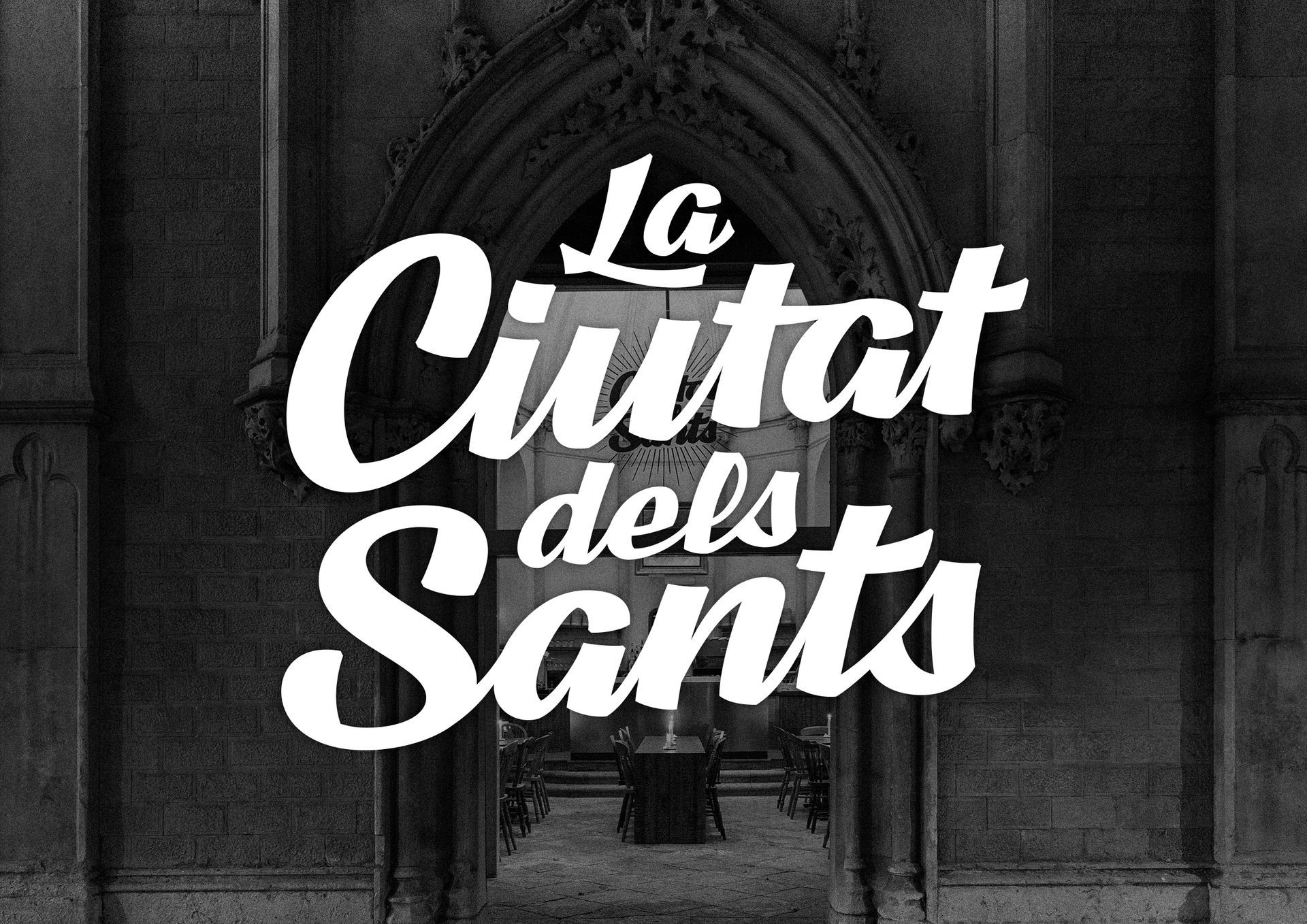
Photo credit: "La Ciutat dels Sants" Vector lettering by Gina Serret.
6. REFLECTION & FUTURE
How has your relationship with calligraphy changed over time?
My relationship with the craft has matured significantly: it began as a hobby, a passion, and has become my defining professional feature. It hasn’t always been easy; there were moments when the reality of building a freelance career felt daunting. The freelance path isn't always 'cool' or effortless; it requires grit and resilience to navigate the downs.
Moving to a new country and finding my foot in during the height of Covid restrictions was a true test. I asked myself several times if I should just give up. However, trusting my skills and persistently seeking new opportunities made me a stronger professional. Today, I see my practice as a vital statement: in a digital world dominated by screens and Artificial Intelligence, there is a necessary and respected space for those of us who continue to create by hand. My relationship with the craft is now one of mutual trust and purpose.
What are you currently curious about or excited to explore in your practice?
One of my main goals right now is working on a larger scale, regardless of the surface. I’m also excited about bringing my letters into other disciplines like linocut and ceramics. I feel a strong calling to explore calligraphy in a more abstract and artistic way, though I’m still searching for the right path to get there—and I must admit, it’s taking more time than I expected.
My goal is to find those moments of stillness and the physical space to delve into new ideas, allowing my body to manifest them through the raw material.
7. PROFESSIONAL PROFILE
Where can people find your work online? (website / socials)
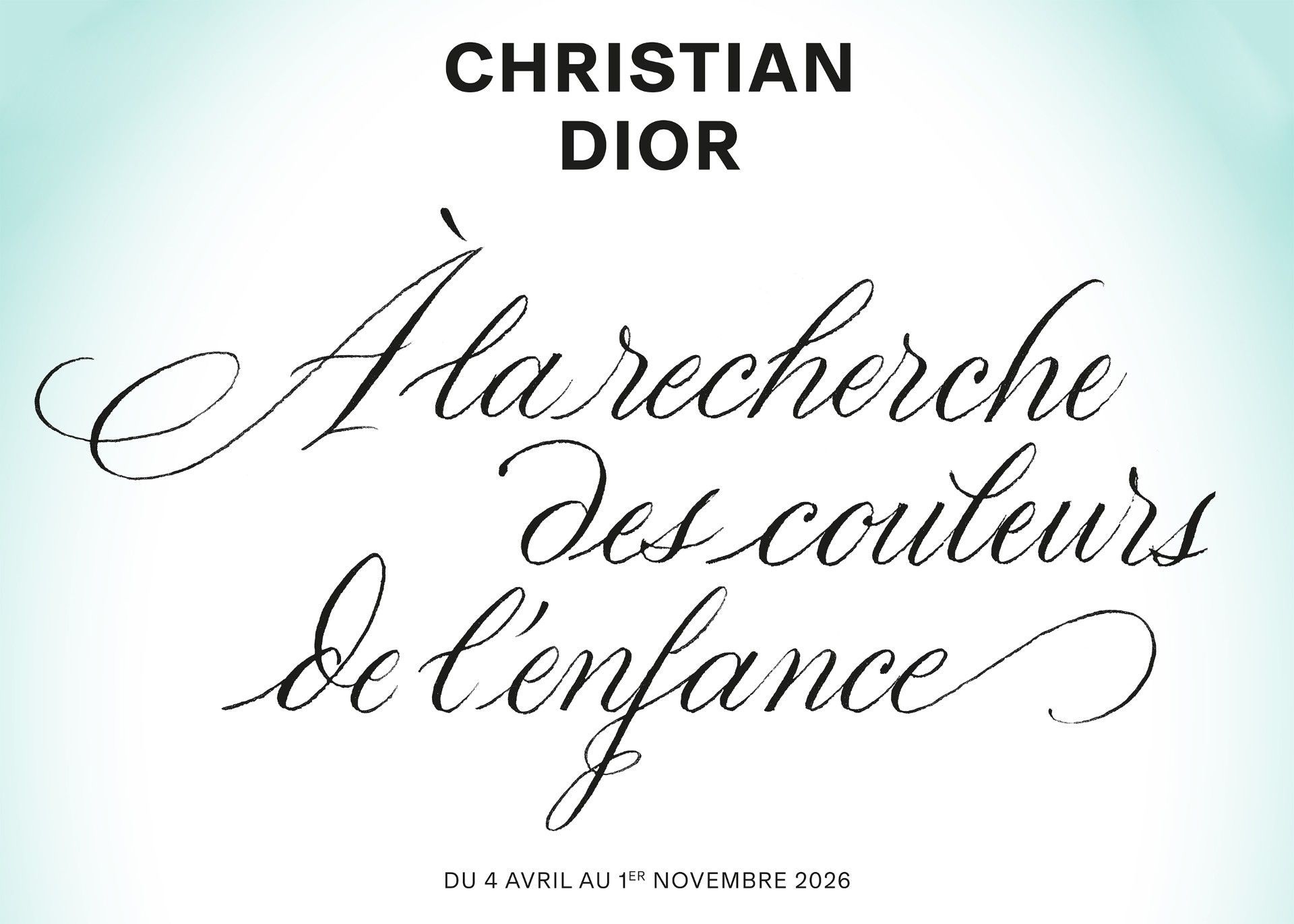
Photo credit: Calligraphy by Gina Serret. Art direction by Camille Guitton i Anne-Lise Bachelier.